Discover the Delight of Aglaonema Plants
Aglaonema plants, also known as Chinese evergreens, are a popular choice for indoor houseplants due to their beautiful foliage and easy care requirements. These tropical plants are native to Southeast Asia and come in a variety of colors and patterns, making them a stunning addition to any home decor. Whether you are a seasoned plant parent or a beginner looking to add some greenery to your space, aglaonema plants are a great choice for their low maintenance and high aesthetic appeal.
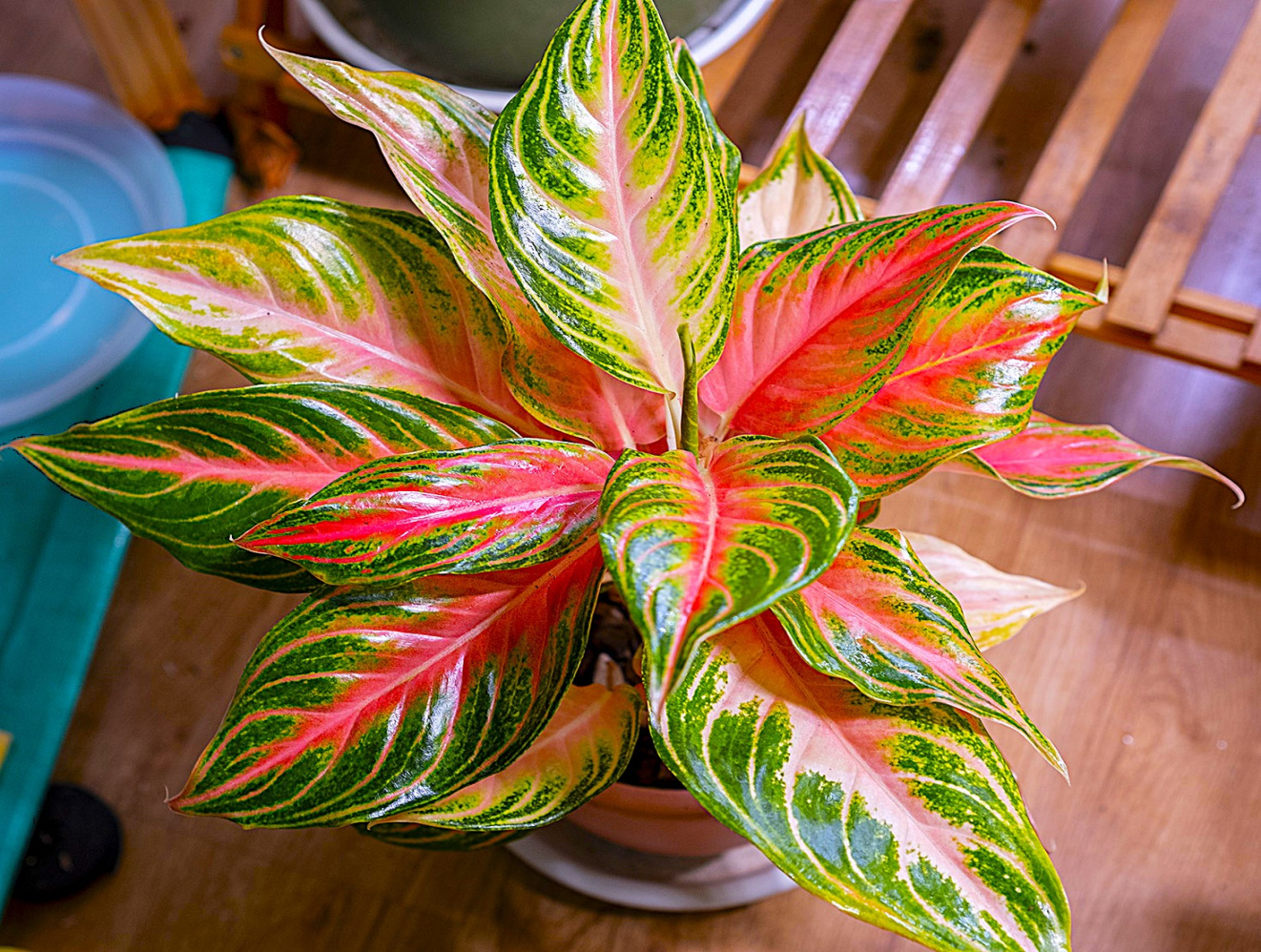
One of the reasons why aglaonema plants are so beloved is their striking foliage. Their leaves come in shades of green, silver, red, and pink, with intricate patterns that add a pop of color to any room. The vibrant colors of aglaonema plants can brighten up a space and create a lively atmosphere, making them a perfect choice for those looking to add some personality to their home.
In addition to their visual appeal, aglaonema plants are also easy to care for, making them ideal for busy individuals or those with a less-than-green thumb. These plants thrive in indirect light, making them perfect for indoor spaces that may not receive direct sunlight. They also prefer consistently moist soil, but are forgiving if you forget to water them occasionally. With the right care, aglaonema plants can thrive and grow into lush, beautiful specimens that will brighten up your home for years to come.
Another benefit of aglaonema plants is their air-purifying properties. Like many houseplants, aglaonemas can help to improve air quality by removing toxins and pollutants from the air. This makes them not only a beautiful addition to your home decor, but also a practical choice for creating a healthier living environment for you and your family.
Caring for your aglaonema plant is simple and straightforward. To keep your plant happy and healthy, place it in a spot with bright, indirect light and water it when the top inch of soil feels dry. Make sure to avoid overwatering, as this can lead to root rot and other issues. You can also mist your plant occasionally to keep the humidity levels up, as aglaonema plants prefer a slightly humid environment.
If you notice that your aglaonema plant is looking a bit leggy or sparse, you can easily propagate it to create new plants. Simply cut a stem with at least a few leaves and place it in water or soil to encourage root growth. Before you know it, you’ll have a new plant to add to your collection or give as a gift to a fellow plant enthusiast.
In conclusion, aglaonema plants are a beautiful and easy-to-care-for houseplant that can bring joy and color to any space. With their stunning foliage, low maintenance requirements, and air-purifying benefits, aglaonema plants are a fantastic choice for both experienced plant parents and beginners alike. So why not add a touch of tropical beauty to your home with an aglaonema plant today?
Green Thumb Not Required: Easy Care Tips for Aglaonema Plants
Aglaonema plants, also known as Chinese evergreens, are a popular choice for indoor plants due to their beautiful foliage and easy-care nature. These plants are native to the tropical and subtropical regions of Asia and New Guinea, and they come in a variety of colors and patterns, making them a perfect addition to any home decor.
One of the best things about aglaonema plants is that they require minimal maintenance, making them ideal for novice plant owners or those with a busy lifestyle. With just a few simple care tips, you can keep your aglaonema plant thriving and looking its best all year round.
First and foremost, aglaonema plants thrive in indirect light, making them perfect for indoor spaces with limited sunlight. Place your plant near a window where it can receive bright, indirect light throughout the day. Avoid placing your aglaonema in direct sunlight, as this can scorch the leaves and cause them to fade.
When it comes to watering, aglaonema plants prefer consistently moist soil. Water your plant when the top inch of soil feels dry to the touch, but be careful not to overwater as this can lead to root rot. It’s best to water your aglaonema sparingly during the winter months when growth slows down.
In addition to proper lighting and watering, aglaonema plants also benefit from regular feeding. Use a balanced liquid fertilizer once a month during the growing season (spring and summer) to promote healthy growth and vibrant foliage. Be sure to follow the instructions on the fertilizer label to avoid overfeeding your plant.
Another important aspect of caring for aglaonema plants is maintaining the right humidity levels. These tropical plants thrive in high humidity, so it’s a good idea to place a humidifier near your plant or mist it regularly to keep the air moist. You can also place your plant on a tray filled with pebbles and water to increase the humidity around the plant.
When it comes to repotting your aglaonema plant, it’s best to do so every 2-3 years or when the plant has outgrown its current pot. Choose a pot that is slightly larger than the current one and use a well-draining potting mix to ensure proper drainage. Repotting your plant will not only give it more room to grow, but it will also refresh the soil and remove any accumulated salts.
Lastly, keep an eye out for common pests such as spider mites, mealybugs, and aphids, which can sometimes infest aglaonema plants. If you notice any signs of pest infestation, such as webbing, sticky residue, or distorted leaves, treat your plant with insecticidal soap or neem oil to get rid of the pests.
In conclusion, aglaonema plants are a beautiful and easy-to-care-for houseplant that can brighten up any indoor space. By following these simple care tips, you can ensure that your aglaonema plant stays healthy and thriving for years to come. So go ahead and bring home a Chinese evergreen today – no green thumb required!