The Enchanting Laburnum Tree: Nature’s Golden Beauty
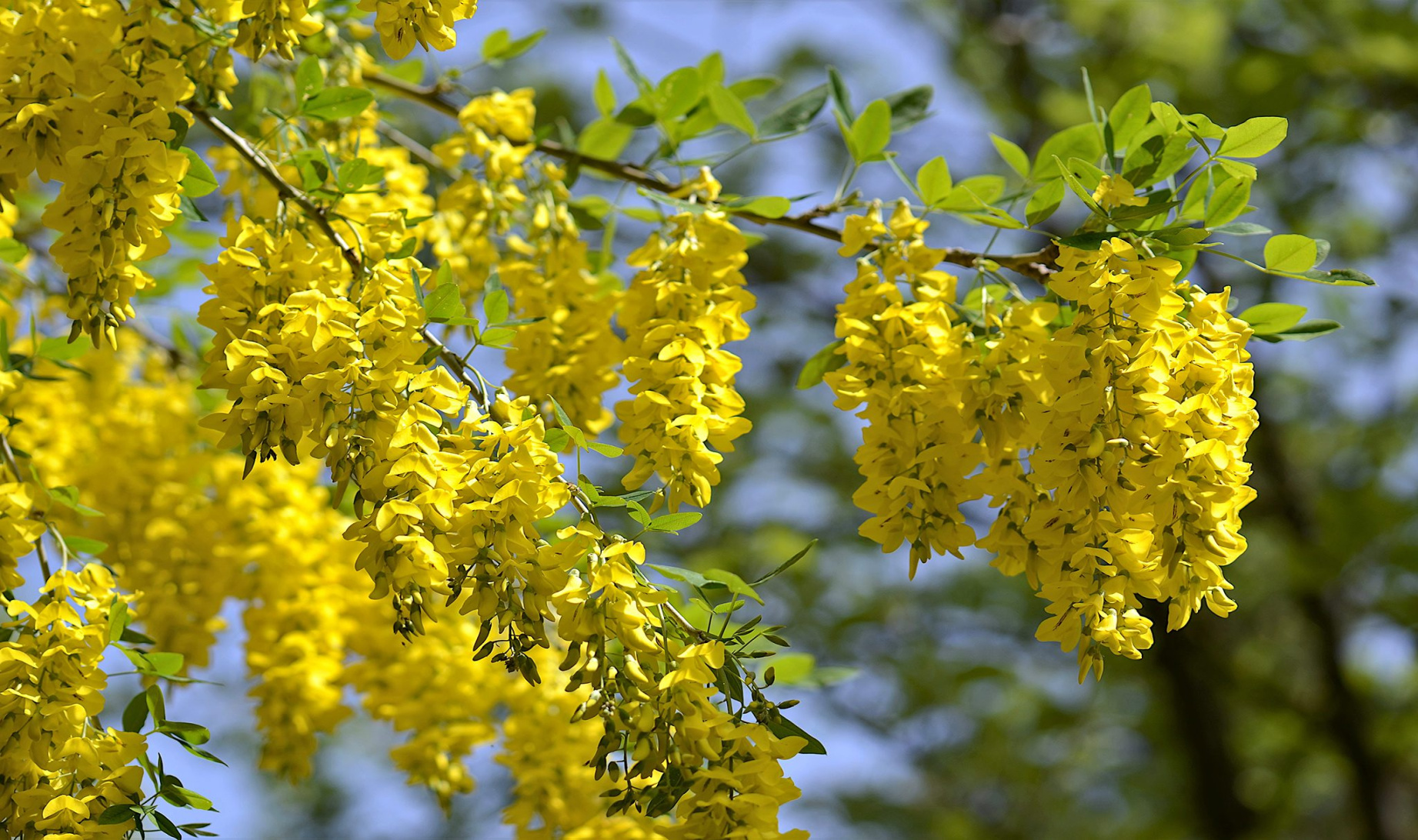
The Laburnum tree, also known as the Golden Chain tree, is a stunningly beautiful plant that can captivate anyone with its mesmerizing appearance. With its long clusters of bright yellow flowers hanging gracefully from its branches, the Laburnum tree is truly a sight to behold.
The Laburnum tree is native to southern Europe and is often cultivated for its ornamental value in gardens and parks around the world. Its golden flowers bloom in the spring, creating a breathtaking display of color that attracts bees and other pollinators. The tree’s delicate foliage adds to its beauty, with small, bright green leaves that create a lush canopy when in full bloom.
One of the most striking characteristics of the Laburnum tree is its golden seed pods, which hang from the branches like delicate ornaments. These pods contain the tree’s seeds and can remain on the tree long after the flowers have faded, adding a touch of elegance to the tree’s appearance.
In addition to its beauty, the Laburnum tree also holds a special place in folklore and mythology. In ancient times, the tree was associated with love and happiness, and its golden flowers were said to bring good fortune to those who gazed upon them. Some even believed that the tree possessed magical powers, able to grant wishes to those who showed it proper respect.
Despite its enchanting beauty, it’s important to remember that the Laburnum tree also has a darker side. The tree’s seeds and pods contain toxic compounds known as cytisine, which can be harmful if ingested. In fact, all parts of the Laburnum tree are poisonous, including the flowers, leaves, and bark. Care should be taken when handling the tree, especially around children and pets who may not know the dangers it poses.
Despite its poisonous nature, the Laburnum tree continues to be a popular choice for gardens and landscapes due to its stunning beauty. Its golden flowers and delicate foliage make it a standout feature in any setting, adding a touch of elegance and charm to the surroundings.
In conclusion, the Laburnum tree is a truly enchanting plant that exudes nature’s golden beauty. Its bright yellow flowers, graceful branches, and golden seed pods make it a sight to behold in any garden or park. While it may be poisonous, with proper care and handling, the Laburnum tree can be enjoyed for its aesthetic value and unique charm.
The Beauty and Poison of the Laburnum Tree Plant
The Laburnum tree, with its beautiful golden flowers cascading down like a waterfall, is truly a sight to behold in any garden. Its delicate blooms exude a sense of elegance and charm, drawing in admirers from far and wide. However, behind this mesmerizing facade lies a dark secret – the Laburnum tree is not just a pretty face, but also a deadly poison lurking within its branches.
The Laburnum tree, also known as the Golden Chain tree, is a member of the pea family and is native to southern Europe. It is a deciduous tree that can grow up to 30 feet tall, with long, pendulous branches that are covered in bright green leaves. But it is the clusters of golden yellow flowers that truly steal the show, creating a stunning display that is sure to capture the attention of any passerby.
Despite its beauty, the Laburnum tree is not to be underestimated. All parts of the plant, including the seeds, leaves, and flowers, contain toxic compounds known as cytisine and cytisine-related alkaloids. Ingesting even a small amount of these toxins can lead to symptoms such as nausea, vomiting, convulsions, and even death in severe cases. The toxic effects of the Laburnum tree have earned it a reputation as one of the most poisonous plants in existence.
Despite its deadly nature, the Laburnum tree continues to be a popular choice for gardens and landscapes due to its stunning appearance. Gardeners are often drawn to its bright yellow flowers and graceful, weeping branches, which add a touch of elegance to any outdoor space. However, it is important for gardeners to be aware of the potential dangers associated with this plant and take precautions to ensure that it is handled safely.
One of the best ways to enjoy the beauty of the Laburnum tree without putting yourself at risk is to simply admire it from a distance. Avoid planting it in areas where children or pets may come into contact with it, and be sure to educate yourself and others about the dangers of the plant. By practicing caution and respect for the potential hazards of the Laburnum tree, you can still appreciate its stunning beauty without putting yourself in harm’s way.
In addition to its toxic properties, the Laburnum tree also holds a place in folklore and mythology as a symbol of deceit and betrayal. In some cultures, the tree is said to represent falsehood and hidden dangers, reflecting its dual nature as both a thing of beauty and a source of harm. This duality only adds to the mystique and allure of the Laburnum tree, making it a truly captivating presence in any garden setting.
Despite its reputation as a poisonous plant, the Laburnum tree continues to captivate and fascinate all who encounter it. Its golden flowers and weeping branches create a sense of romance and whimsy that is hard to resist, drawing in admirers with its charm and grace. While it may be wise to approach the Laburnum tree with caution, there is no denying the enchanting allure of this deceptive beauty.