Tiny Tropical Treasure: The Coconut Bonsai Magic
The art of bonsai has been practiced for centuries, originating in China and Japan before spreading to the rest of the world. Bonsai trees are a symbol of harmony, balance, and tranquility. They are carefully cultivated to mimic the shape and scale of full-sized trees, but in a miniature form. One particularly enchanting variety of bonsai is the coconut bonsai, a tiny tropical treasure that brings a touch of the exotic to any collection.
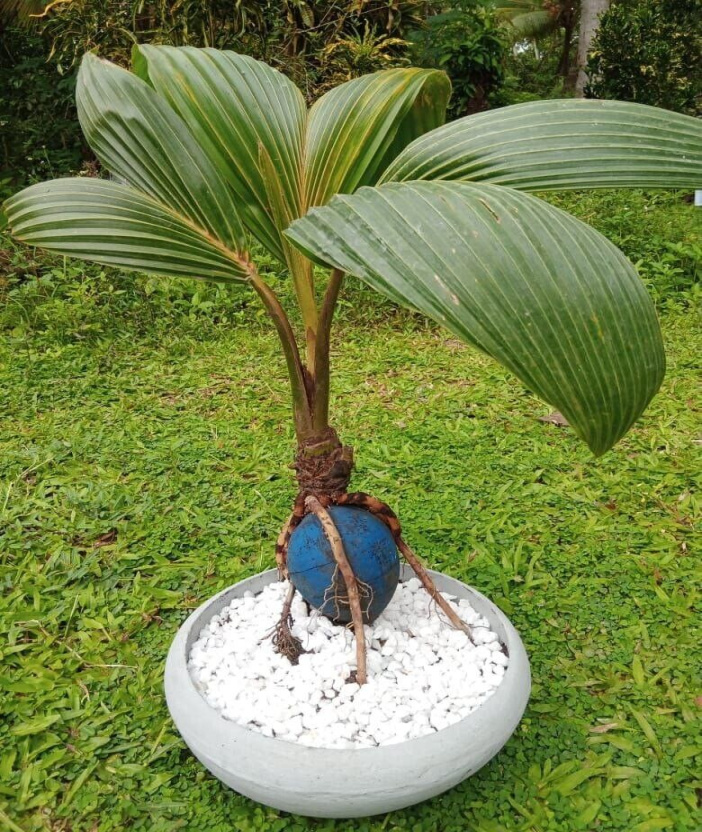
The coconut bonsai is a true marvel of nature, combining the beauty of a coconut palm tree with the intricate artistry of bonsai cultivation. These miniature trees typically stand no more than a foot tall, with delicate fronds and a small, round coconut fruit nestled among the leaves. Despite their small size, coconut bonsai trees exude a sense of grandeur and tropical charm, making them a popular choice among bonsai enthusiasts.
One of the most magical aspects of the coconut bonsai is the way it captures the essence of a tropical paradise in miniature form. The lush green fronds sway gently in the breeze, evoking the feeling of a balmy island getaway. The sight of a tiny coconut fruit nestled among the leaves conjures images of sandy beaches, crystal-clear waters, and swaying palm trees. It’s as if a piece of the tropics has been captured and preserved in a tiny pot.
Caring for a coconut bonsai is a labor of love, requiring patience, skill, and attention to detail. These miniature trees thrive in warm, humid climates, making them perfect for indoor cultivation in most regions. They require regular watering, bright but indirect sunlight, and occasional fertilization to keep them healthy and vibrant. With proper care, a coconut bonsai can live for many years, bringing joy and beauty to its caretaker.
The process of shaping and pruning a coconut bonsai is a delicate art form, requiring a steady hand and a keen eye for detail. Each branch and leaf must be carefully shaped and trimmed to create the desired form and proportions. The coconut fruit itself must be carefully tended to ensure it grows to the perfect size and shape. It’s a labor-intensive process, but the end result is well worth the effort.
The beauty of a coconut bonsai lies not only in its physical appearance but also in the sense of tranquility and harmony it brings to its surroundings. The sight of a tiny tropical tree, with its graceful fronds and miniature coconut fruit, can instantly transport you to a peaceful oasis far away from the stresses of everyday life. It’s a reminder of the beauty and majesty of the natural world, encapsulated in a tiny, living work of art.
In conclusion, the coconut bonsai is a true tropical delight in miniature form. Its beauty, charm, and exotic appeal make it a must-have for any bonsai enthusiast looking to add a touch of the tropics to their collection. With proper care and attention, a coconut bonsai can thrive for many years, bringing joy and tranquility to all who behold its miniature magic.
Unveiling the Enchanting World of Miniature Coconuts
Imagine a world where the beauty of a tropical paradise is captured in a miniature form, where the lush green foliage and sweet scent of coconuts can be enjoyed in the palm of your hand. This is the enchanting world of miniature coconuts, a delightful and unique creation that is sure to bring a touch of the tropics into your home.
The art of creating miniature coconuts, also known as coconut bonsai, is a true labor of love that requires patience, skill, and a keen eye for detail. It all begins with selecting the perfect coconut, one that is small in size but big in potential. The coconut is carefully cleaned and dried, its outer shell polished to a glossy sheen that reflects the light like a precious gem.
Next comes the delicate process of shaping the coconut into a miniature tree, a feat that requires steady hands and a steady heart. Using a combination of traditional bonsai techniques and a touch of creativity, the coconut is transformed into a work of art, with its fronds carefully pruned and its roots carefully trained to create a stunning silhouette that is both elegant and enchanting.
But the beauty of a miniature coconut bonsai doesn’t stop at its appearance. The coconut itself is a symbol of tropical abundance and exotic beauty, with its sweet, refreshing taste and versatile uses making it a beloved fruit in cultures around the world. By bringing a miniature coconut bonsai into your home, you are not only adding a touch of natural beauty to your space but also a taste of the tropics that is sure to delight your senses.
One of the most fascinating aspects of miniature coconut bonsai is the variety of shapes and sizes that can be created. From tall, slender trees that reach for the sky to squat, sturdy specimens that hug the ground, each miniature coconut bonsai is a unique expression of the artist’s vision and creativity. Some bonsai enthusiasts even go so far as to create miniature coconut groves, complete with tiny hammocks and beach chairs, turning their bonsai display into a miniature tropical paradise.
In addition to their beauty and versatility, miniature coconut bonsai also have a practical side. These tiny trees are easy to care for, requiring only occasional watering and pruning to maintain their shape and health. They can be displayed indoors or outdoors, adding a touch of tropical charm to any space, from a living room to a balcony to a backyard garden.
Whether you are a seasoned bonsai enthusiast or a novice gardener looking to add a touch of the tropics to your home, miniature coconut bonsai are sure to capture your heart and imagination. With their beauty, versatility, and ease of care, these tiny trees are a delightful addition to any collection, bringing a touch of the exotic into your everyday life.
So why not treat yourself to a miniature coconut bonsai today and experience the beauty of the tropics in miniature form? Whether you display it on your desk, your windowsill, or your patio, this enchanting creation is sure to bring a touch of paradise into your life and a smile to your face.