Unveiling the Splendor of Cynara Cardunculus
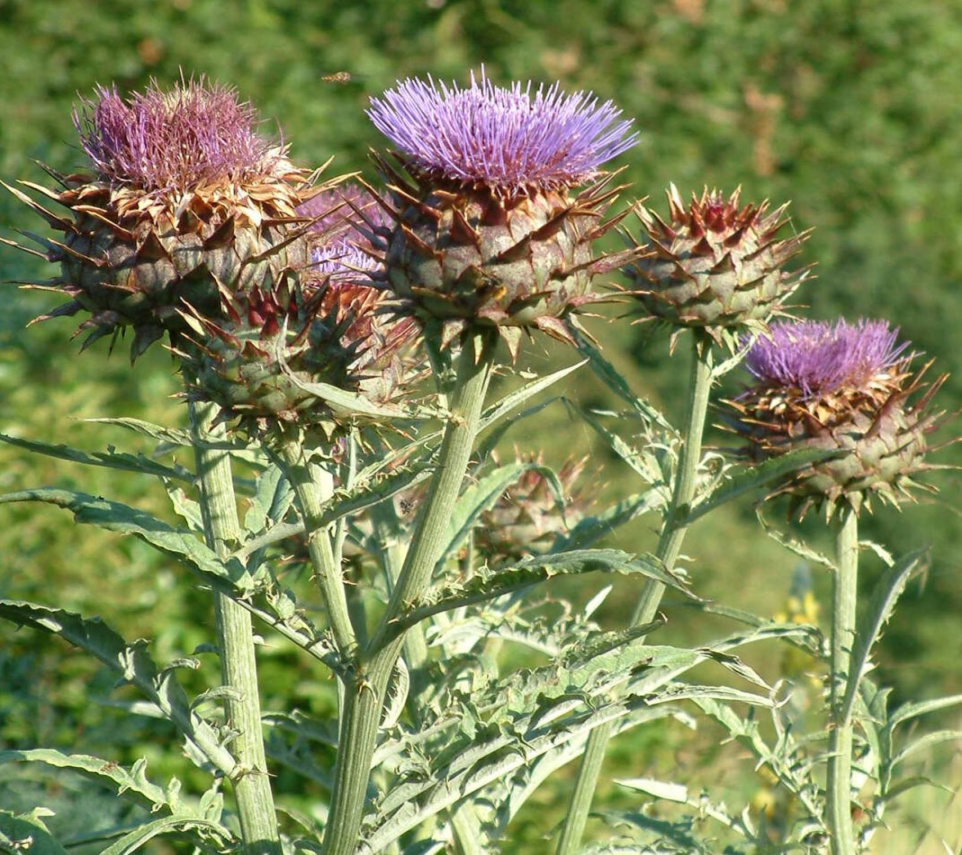
Welcome to the world of Cynara Cardunculus, a unique and beautiful plant that is sure to captivate your senses with its splendor. Also known as the Cardoon, this stunning plant is a member of the thistle family and is closely related to the artichoke. Its large, silver-green leaves and striking purple flowers make it a standout in any garden or landscape.
Cynara Cardunculus is native to the Mediterranean region, where it thrives in sunny and warm climates. However, with the right care and attention, this plant can also be successfully grown in cooler climates. Its impressive size and architectural form make it a perfect focal point in any garden, adding drama and interest to the landscape.
When it comes to growing and caring for Cynara Cardunculus, there are a few key things to keep in mind. First and foremost, this plant thrives in full sun, so be sure to plant it in a location that receives at least six hours of sunlight per day. It also prefers well-drained soil, so be sure to amend your soil with plenty of organic matter before planting.
In terms of watering, Cynara Cardunculus prefers to be kept evenly moist but not waterlogged. Be sure to water regularly, especially during hot and dry periods, to keep the soil consistently moist. However, be careful not to overwater, as this can lead to root rot and other issues.
One of the most striking features of Cynara Cardunculus is its large, silver-green leaves, which can grow up to three feet long. These leaves add a touch of elegance and drama to the plant, making it a standout in any garden. To keep your Cynara Cardunculus looking its best, be sure to prune away any damaged or dead leaves regularly.
In addition to its impressive foliage, Cynara Cardunculus also produces stunning purple flowers that are sure to attract bees and butterflies to your garden. These flowers can grow up to six inches in diameter and add a pop of color to the landscape. Be sure to deadhead the flowers regularly to encourage continuous blooming throughout the growing season.
When it comes to pests and diseases, Cynara Cardunculus is relatively low-maintenance. However, it can be susceptible to aphids, slugs, and snails, so be sure to keep an eye out for any signs of infestation. If you do notice pests, simply spray the plant with a mixture of water and insecticidal soap to keep them at bay.
Overall, growing and caring for Cynara Cardunculus is a rewarding and enjoyable experience. With its stunning foliage, striking flowers, and low-maintenance nature, this plant is sure to become a favorite in your garden. So why not add a touch of splendor to your landscape with the beauty of Cynara Cardunculus?
Mastering the Art of Growing and Caring for this Beauty
Cynara Cardunculus, also known as cardoon, is a unique and beautiful plant that can add a touch of elegance to any garden. With its striking silver-green foliage and tall, spiky flowers, this plant is sure to turn heads and become a conversation piece among your friends and neighbors. But in order to truly appreciate the beauty of Cynara Cardunculus, it is important to understand how to properly grow and care for this stunning plant.
Growing Cynara Cardunculus is not difficult, but it does require a bit of attention and care. This plant thrives in full sun and well-drained soil, so be sure to choose a sunny spot in your garden with good drainage. When planting your cardoon, make sure to space them at least 3 feet apart to allow for proper air circulation and growth.
Watering is key when it comes to caring for Cynara Cardunculus. While this plant is drought-tolerant once established, it still requires regular watering, especially during hot, dry periods. Be sure to water deeply, allowing the water to penetrate the soil and reach the plant’s roots. Avoid overwatering, as this can lead to root rot and other issues.
In addition to proper watering, Cynara Cardunculus also benefits from regular feeding. Fertilize your plants with a balanced fertilizer in the spring, and then again in midsummer to promote healthy growth and flowering. Be sure to follow the instructions on the fertilizer package to avoid overfeeding, which can be harmful to the plant.
Pruning is another important aspect of caring for Cynara Cardunculus. This plant can grow quite large, so it is important to prune it back in the spring to encourage new growth and maintain its shape. Remove any dead or damaged foliage, as well as any spent flower heads, to keep your cardoon looking its best.
One of the most unique features of Cynara Cardunculus is its edible stalks. These stalks, which are similar in taste to artichokes, can be harvested and eaten when they are young and tender. To harvest the stalks, wait until they reach a height of about 18 inches, then cut them at the base and peel away the tough outer fibers before cooking.
Overall, growing and caring for Cynara Cardunculus can be a rewarding experience. With the right attention and care, this plant will reward you with its striking beauty and unique presence in your garden. So why not add a touch of elegance to your outdoor space with this stunning beauty? Master the art of growing and caring for Cynara Cardunculus, and watch as it becomes the centerpiece of your garden.