The Enchanting World of Drosera Rotundifolia
In the world of carnivorous plants, Drosera Rotundifolia stands out as a truly enchanting and captivating species. Commonly known as the round-leaved sundew, this plant is a sight to behold with its delicate leaves covered in glistening, sticky droplets that resemble dew, hence its name.
Native to Europe, Asia, and North America, Drosera Rotundifolia thrives in wet, boggy habitats where it can trap and devour insects to supplement its nutrient-poor diet. Its unique adaptation to carnivory has fascinated botanists and plant enthusiasts for centuries, earning it a special place in the hearts of those who appreciate the wonders of nature.
The beauty of Drosera Rotundifolia lies not only in its carnivorous behavior but also in its intricate and elegant form. The plant grows low to the ground, with tiny, round leaves arranged in a rosette pattern that creates a visually stunning display. Each leaf is covered in tiny, hair-like structures called tentacles, which secrete a sticky substance that ensnares passing insects.
As unsuspecting insects land on the glistening leaves of Drosera Rotundifolia, they become trapped in the sticky droplets and are slowly digested by the plant’s enzymes. This process not only provides the plant with essential nutrients but also serves as a fascinating reminder of the intricate balance of life and death in the natural world.
One of the most captivating aspects of Drosera Rotundifolia is its ability to move and respond to stimuli. The plant is capable of bending and twisting its leaves to better ensnare prey, a behavior known as thigmotropism. This dynamic movement adds an extra layer of intrigue to an already fascinating plant, making it a favorite subject for scientific study and observation.
In addition to its striking beauty and captivating behavior, Drosera Rotundifolia also holds cultural significance in various traditions and folklore. In some cultures, the plant is believed to possess mystical powers and is used in rituals and ceremonies to ward off evil spirits or bring good luck. Its unique appearance and carnivorous nature have inspired countless myths and legends throughout history, adding to its mystique and allure.
For those lucky enough to encounter Drosera Rotundifolia in its natural habitat, the experience is truly awe-inspiring. Watching the plant glisten in the sunlight, with insects trapped on its sticky leaves, is a reminder of the incredible diversity and ingenuity of the natural world. It serves as a poignant reminder of the delicate balance that exists between predator and prey, beauty and danger, life and death.
In conclusion, Drosera Rotundifolia is a truly enchanting and mesmerizing plant that captivates all who have the pleasure of encountering it. Its carnivorous beauty, intricate form, and dynamic behavior make it a unique and cherished member of the botanical world. Whether admired for its scientific significance, cultural symbolism, or sheer aesthetic appeal, Drosera Rotundifolia continues to enthrall and inspire all who dare to explore its captivating world.
Unveiling the Intriguing Beauty of Carnivorous Sundews
When it comes to fascinating and unique plants, carnivorous sundews are at the top of the list. Among these captivating species, Drosera Rotundifolia stands out for its carnivorous nature and delicate beauty. Let’s embark on a journey to discover the carnivorous beauty of Drosera Rotundifolia and explore what makes this plant so intriguing.
Drosera Rotundifolia, also known as the round-leaved sundew, is a small, carnivorous plant that can be found in wetlands, bogs, and marshes throughout the Northern Hemisphere. Its name comes from the Latin word droseros, which means dewy, and rotundifolius, which refers to its round leaves. These leaves are covered in sticky, glandular hairs that glisten in the sunlight, giving the plant a beautiful and otherworldly appearance.
One of the most fascinating aspects of Drosera Rotundifolia is its carnivorous nature. Unlike most plants that obtain nutrients from the soil, sundews have evolved to capture and digest insects as a source of nourishment. The sticky tentacles on the leaves attract unsuspecting insects, which become trapped in the adhesive droplets. The plant then secretes enzymes to break down the insect’s body, allowing it to absorb the nutrients it needs to thrive.
The carnivorous adaptation of Drosera Rotundifolia is not only a survival mechanism but also a beautiful and intricate process to observe. As insects become ensnared in the sticky hairs of the plant, they struggle to break free, unwittingly aiding in their demise. This predatory behavior adds an element of danger and intrigue to the otherwise serene and delicate appearance of the plant.
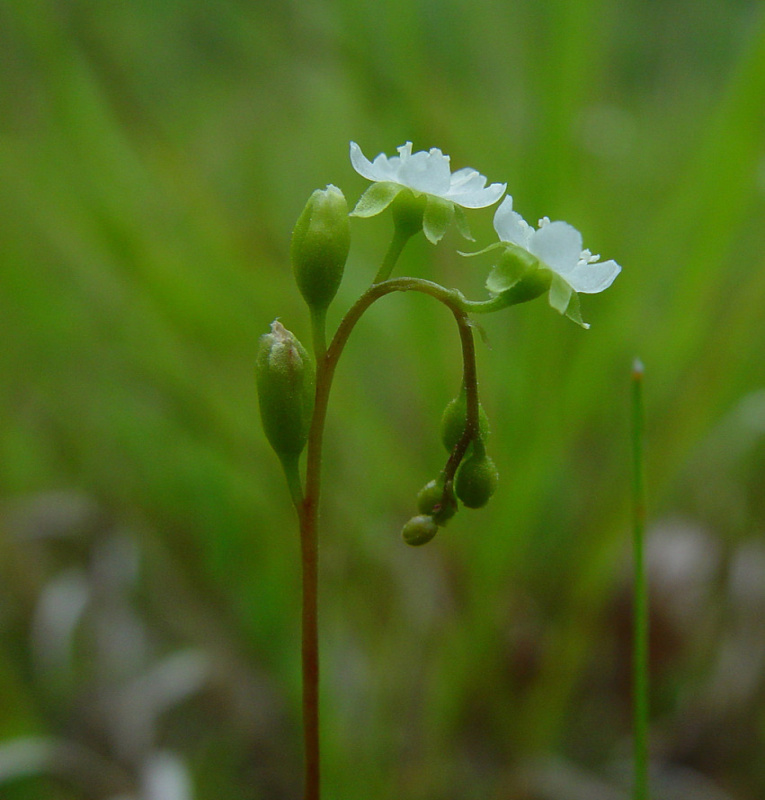
In addition to its carnivorous nature, Drosera Rotundifolia also boasts a unique and alluring beauty. The round leaves of the plant form a rosette that unfurls gracefully, showcasing the glistening tentacles that give it an ethereal quality. The plant’s delicate flowers, which bloom in shades of pink and white, further enhance its charm and draw in pollinators to ensure its survival.
As we delve deeper into the world of Drosera Rotundifolia, we discover a plant that is not only beautiful but also highly adaptable. Sundews have evolved to thrive in nutrient-poor environments by supplementing their diet with insects, allowing them to colonize a wide range of habitats. This adaptive strategy has enabled Drosera Rotundifolia to survive and flourish in diverse ecosystems, from peat bogs to alpine meadows.
Furthermore, the carnivorous beauty of Drosera Rotundifolia serves as a reminder of the intricate and interdependent relationships that exist in nature. The plant’s ability to capture and digest insects not only sustains its own growth but also plays a crucial role in the ecosystem by controlling insect populations and cycling nutrients. In this way, sundews contribute to the balance and diversity of their surroundings, highlighting the interconnectedness of all living organisms.
In conclusion, the carnivorous beauty of Drosera Rotundifolia is a testament to the wonders of the natural world. From its captivating appearance to its unique adaptation for capturing prey, this plant embodies the delicate balance between beauty and functionality. By exploring and appreciating the complexities of sundews, we gain a deeper understanding of the intricate web of life that sustains us all. So next time you come across a carnivorous sundew like Drosera Rotundifolia, take a moment to marvel at its enchanting beauty and the fascinating role it plays in the ecosystem.