Blossoming Beauties: The Magic of Azalea Trees
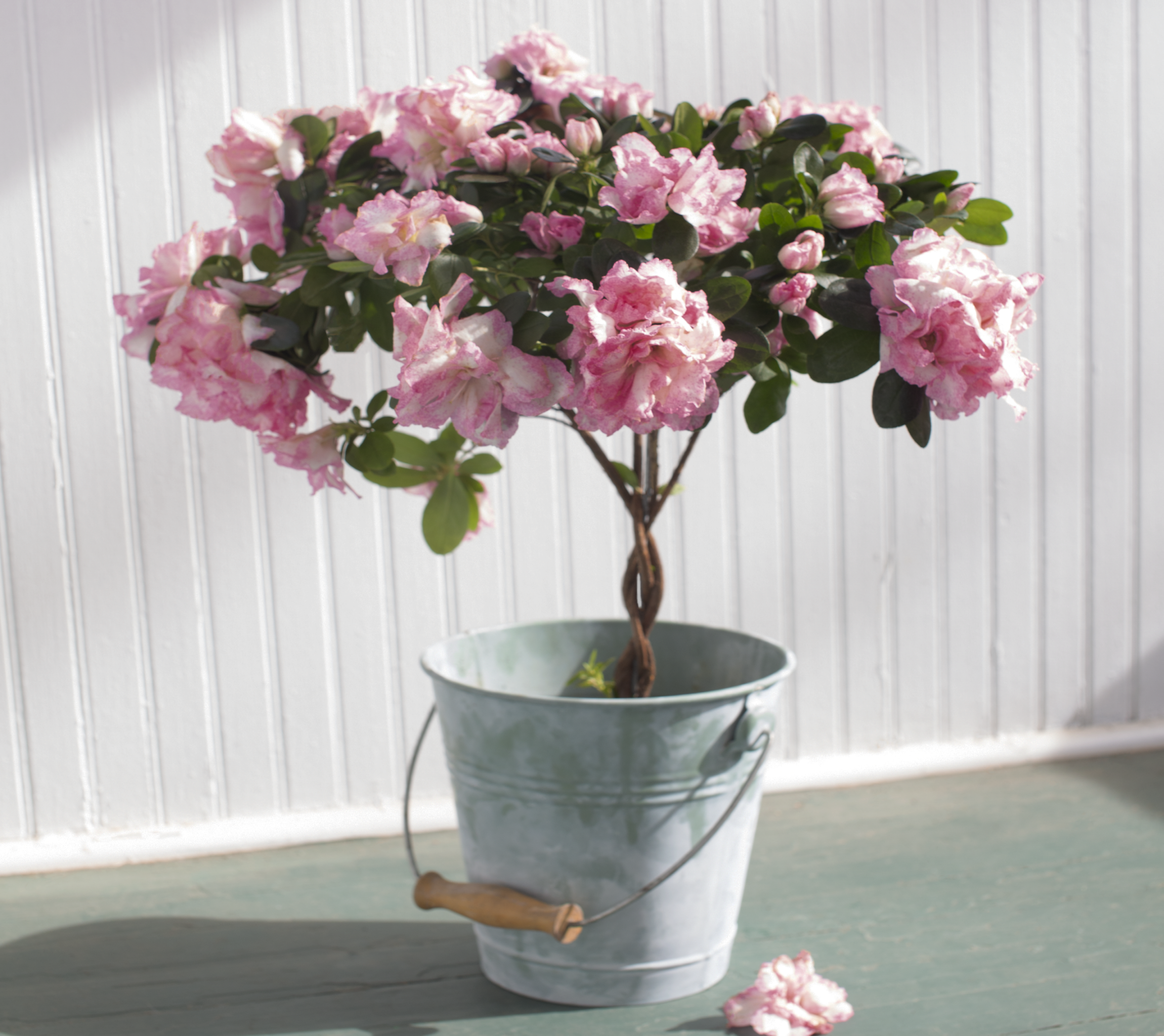
Azalea trees are truly a sight to behold. With their vibrant colors and delicate blooms, they add a touch of magic to any garden. These beautiful shrubs come in a variety of shapes and sizes, making them a versatile choice for both small and large spaces. But what truly sets azalea trees apart is their ability to produce an abundance of stunning flowers that light up the landscape.
When it comes to growing and caring for azalea trees, there are a few key things to keep in mind. First and foremost, these plants thrive in acidic soil with good drainage. This means that it’s important to choose a planting location that meets these criteria. If your soil is not naturally acidic, you can easily amend it with products like sulfur or peat moss.
Once you have the right soil in place, it’s time to plant your azalea tree. Make sure to dig a hole that is at least twice as wide as the root ball, but no deeper. Gently place the tree in the hole and backfill with soil, making sure to water thoroughly afterwards. Azaleas prefer moist soil, so it’s important to keep them well-hydrated, especially during hot and dry periods.
In terms of sunlight, azalea trees do best in partial shade. They prefer dappled sunlight or morning sun with afternoon shade. Too much direct sunlight can scorch their delicate leaves and flowers, so it’s important to provide some protection from the harsh midday sun. If you’re planting your azalea tree in a location that gets full sun, consider adding a layer of mulch to help retain moisture and keep the roots cool.
Pruning is another important aspect of caring for azalea trees. While they don’t require extensive pruning, it’s a good idea to remove any dead or damaged branches to promote healthy growth. You can also shape your azalea tree to your desired aesthetic by selectively pruning branches. Just be sure to do any major pruning after the tree has finished blooming to avoid cutting off potential flower buds.
When it comes to feeding your azalea tree, it’s best to use a fertilizer specifically formulated for acid-loving plants. These fertilizers are high in nitrogen and designed to promote healthy growth and vibrant blooms. It’s best to fertilize your azalea tree in the spring, just as it begins to put out new growth. Avoid fertilizing in late summer or early fall, as this can stimulate new growth that may be damaged by frost.
With a little bit of care and attention, your azalea tree will reward you with a stunning display of blooms year after year. Whether you choose a classic pink or white variety, or opt for a more unique color like orange or purple, azalea trees are sure to bring beauty and magic to your garden. So why not add a touch of enchantment to your outdoor space with these blossoming beauties?
Nurturing Nature: Tips for Growing Lush Azaleas
Azalea trees are a beautiful addition to any garden, with their vibrant blooms and lush green foliage. However, caring for these delicate plants can be a bit tricky. With the right knowledge and a little TLC, you can ensure that your azaleas thrive and produce stunning blooms year after year.
One of the most important factors in growing healthy azaleas is choosing the right location. These plants thrive in partial shade, so look for a spot in your garden that receives morning sun and afternoon shade. Make sure the soil is well-draining and slightly acidic, as azaleas prefer a pH level between 5.5 and 6.5. If your soil is too alkaline, you can amend it with peat moss or sulfur to lower the pH.
When planting azaleas, be sure to dig a hole that is twice as wide and just as deep as the root ball. Gently loosen the roots before placing the plant in the hole and backfill with soil, making sure to pack it down firmly. Water the newly planted azalea thoroughly to help it establish its roots in its new home.
Once your azaleas are planted, it’s important to keep them well-watered, especially during hot, dry weather. Water deeply at least once a week, making sure to saturate the root zone. Mulching around the base of the plant can help retain moisture and regulate soil temperature, which is especially important in the heat of summer.
Fertilizing azaleas is also key to keeping them healthy and vibrant. Use a balanced, slow-release fertilizer formulated for acid-loving plants, applying it in the spring just as the plant is beginning to bloom. Be careful not to over-fertilize, as this can lead to excessive foliage growth at the expense of blooms.
Pruning is another important aspect of azalea care, as it helps promote new growth and keeps the plant looking tidy. Prune your azaleas after they have finished blooming, cutting back any dead or diseased branches and shaping the plant as desired. Avoid heavy pruning, as this can reduce the number of blooms the following year.
Pest and disease control is also crucial when caring for azaleas. Keep an eye out for common pests like aphids, spider mites, and lace bugs, and treat infestations promptly with insecticidal soap or neem oil. Fungal diseases like powdery mildew and root rot can also be a problem, so be sure to water at the base of the plant and avoid overhead watering to prevent these issues.
In addition to proper care and maintenance, azaleas can benefit from some extra pampering to ensure they reach their full blooming potential. Deadheading spent blooms can encourage the plant to produce more flowers, while pinching back new growth can help promote a bushier, more compact shape.
With the right care and attention, your azaleas can reward you with a stunning display of blooms year after year. By following these tips for growing lush azaleas, you can enjoy the beauty of these plants in your garden for seasons to come.