Unveiling the Enchanting World of Cardamom
Welcome to the aromatic world of cardamom – one of the most enchanting and versatile spices known to man. This small but mighty plant has been captivating taste buds and tantalizing senses for centuries, and its unique flavor profile and numerous health benefits make it a staple in cuisines around the globe.
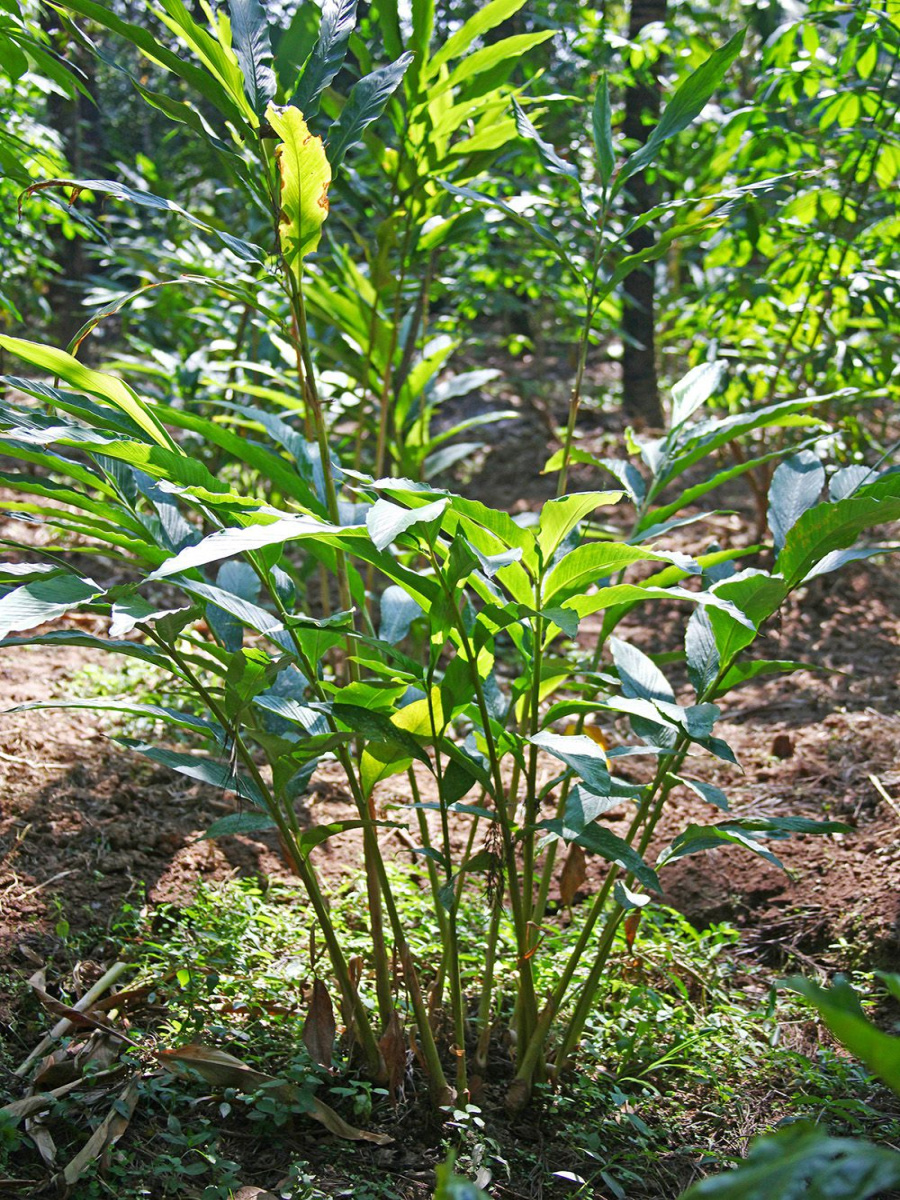
Cardamom, scientifically known as Elettaria cardamomum, belongs to the ginger family and is native to the Indian subcontinent. It is also grown in other tropical regions such as Guatemala, Sri Lanka, and Tanzania. The plant itself is a perennial herb with large, lance-shaped leaves and clusters of small, pale green or white flowers. The seeds of the plant are what we commonly refer to as cardamom – they are small, black, and possess a strong, aromatic flavor that is both sweet and spicy.
One of the most fascinating aspects of cardamom is its rich history and cultural significance. In ancient times, cardamom was highly prized and often used as a form of currency in trade. It was also believed to have medicinal properties and was used in various traditional remedies for ailments ranging from digestive issues to respiratory problems. Even today, cardamom continues to be valued for its health benefits, which include improving digestion, reducing inflammation, and freshening breath.
But perhaps the most alluring quality of cardamom is its exquisite flavor. The spice has a complex taste that is both sweet and spicy, with hints of citrus, mint, and floral notes. It can be used in both sweet and savory dishes, adding depth and complexity to everything from curries and stews to baked goods and beverages. Cardamom is also a key ingredient in many spice blends, such as garam masala and chai masala, where its distinctive aroma and flavor shine through.
In addition to its culinary uses, cardamom is also prized for its aromatic properties. The essential oil extracted from the seeds is used in perfumery and aromatherapy, where it is valued for its calming and uplifting qualities. The scent of cardamom is warm and spicy, with a hint of sweetness that is both invigorating and soothing.
Growing cardamom is a labor-intensive process, as the plant requires specific conditions to thrive. It prefers tropical climates with high humidity and well-drained soil. The plants are typically grown from seeds or rhizomes and can take several years to reach maturity. Once mature, the plants produce seeds in the form of small capsules, which are harvested by hand and dried before being used as a spice.
To fully appreciate the enchanting world of cardamom, one must experience its delightful aroma and taste firsthand. Whether used in a comforting cup of chai tea, a fragrant biryani, or a decadent dessert, cardamom has the power to elevate any dish and transport the senses to far-off lands. So next time you reach for this magical spice, take a moment to savor its aromatic beauty and the centuries of history and tradition that it embodies.
Discovering the Aromatic Wonders of the Cardamom Plant
The Cardamom plant, also known as Elettaria cardamomum, is a truly magical herb that has been cherished for centuries for its aromatic beauty and culinary versatility. This stunning plant is native to the lush forests of India and Sri Lanka, where it thrives in the warm, tropical climate. Let’s delve into the enchanting world of the Cardamom plant and uncover the secrets of its aromatic wonders.
One of the most fascinating aspects of the Cardamom plant is its distinctive fragrance. The plant produces small pods that contain tiny black seeds, which are bursting with a warm, spicy aroma that is both exotic and enticing. When these pods are crushed or ground, they release a burst of fragrance that is reminiscent of citrus, mint, and eucalyptus, with a hint of floral sweetness. This unique blend of scents makes Cardamom a prized ingredient in perfumes, incense, and aromatherapy products.
In addition to its delightful fragrance, the Cardamom plant is also prized for its culinary benefits. The seeds of the plant are used as a spice in a wide variety of dishes, adding a rich, complex flavor that is both sweet and savory. Cardamom is commonly used in Indian, Middle Eastern, and Scandinavian cuisine, where it is added to curries, rice dishes, desserts, and even coffee. The spice pairs beautifully with cinnamon, cloves, and ginger, creating a harmonious blend of flavors that is truly irresistible.
But the aromatic wonders of the Cardamom plant go beyond its culinary and fragrance applications. The plant is also highly valued for its medicinal properties, which have been recognized for centuries in traditional medicine systems such as Ayurveda and Traditional Chinese Medicine. Cardamom is believed to have digestive, respiratory, and anti-inflammatory benefits, making it a popular remedy for a wide range of ailments, from indigestion to sore throats.
In addition to its aromatic and medicinal properties, the Cardamom plant is also a sight to behold in the garden. The plant features long, slender green leaves and delicate white flowers that give way to clusters of vibrant green pods. These pods start out small and green, but gradually turn yellow as they ripen, bursting open to reveal the tiny black seeds within. The plant’s lush foliage and colorful pods make it a stunning addition to any garden, adding beauty and fragrance to the landscape.
Growing Cardamom is relatively easy, as long as you provide the plant with the right growing conditions. The plant thrives in warm, humid climates with well-drained soil and partial shade. It can be grown in containers or in the ground, as long as it receives plenty of water and occasional fertilization. With proper care, the Cardamom plant can reach heights of up to 10 feet, producing an abundance of pods that can be harvested and used in a variety of culinary and medicinal applications.
In conclusion, the Cardamom plant is a true gem of the botanical world, with its aromatic fragrance, culinary versatility, and medicinal benefits. Whether you’re a food enthusiast, a gardener, or a lover of all things aromatic, the Cardamom plant is sure to captivate your senses and add a touch of exotic beauty to your life. So why not discover the aromatic wonders of the Cardamom plant for yourself and experience the magic of this enchanting herb?