Meet the Panda Plant: A Cute and Cuddly Succulent
If you’re looking to add a touch of cuteness and charm to your indoor garden, look no further than the Panda Plant. This adorable succulent, also known as Kalanchoe tomentosa, is loved by plant enthusiasts for its fuzzy leaves that resemble the fur of a panda bear. With its unique appearance and easy care requirements, the Panda Plant is the perfect addition to any plant collection.
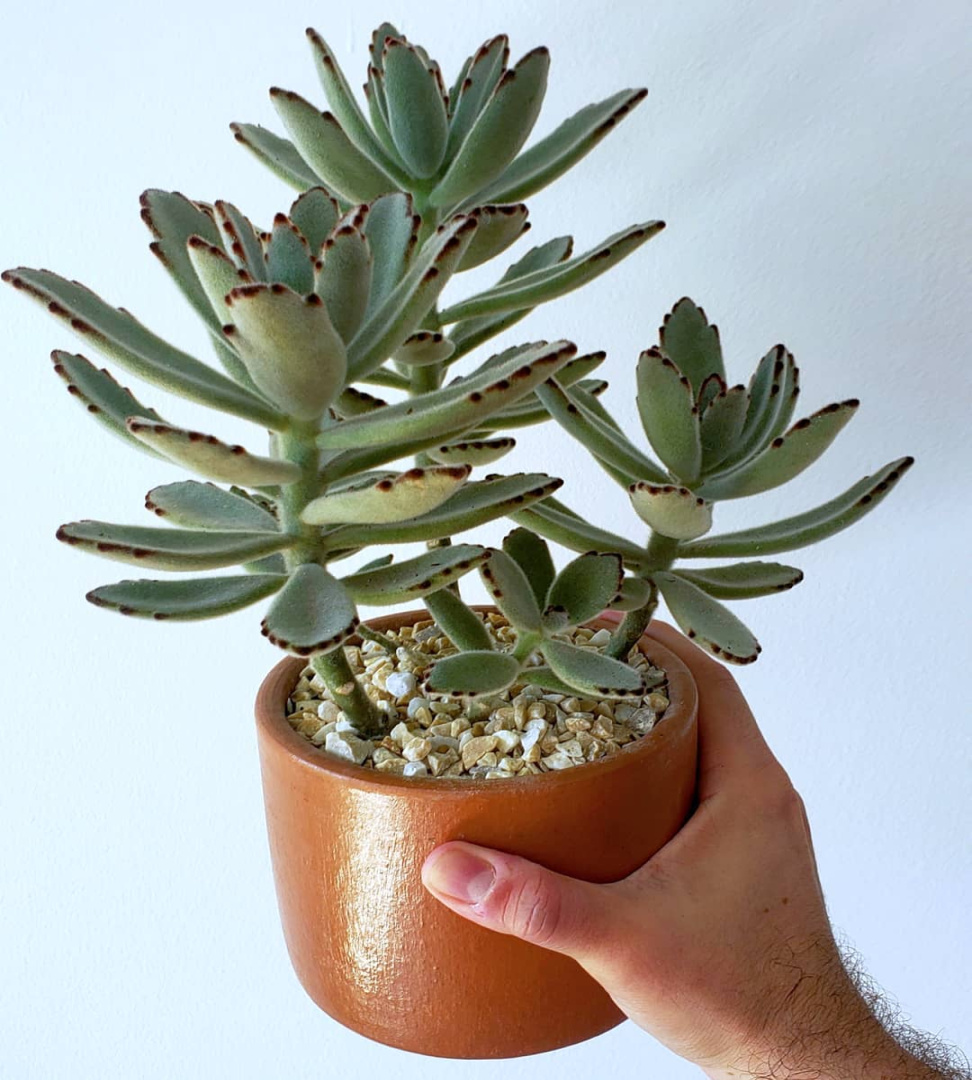
The Panda Plant is native to Madagascar and thrives in warm, dry climates. Its thick, velvety leaves are covered in tiny white hairs that give it a soft and fuzzy texture. These hairs help the plant retain moisture, making it well-suited for dry environments. The leaves are a silvery-green color with brownish-red tips, adding to the plant’s overall charm.
One of the reasons why the Panda Plant is so popular among succulent lovers is its low maintenance nature. This plant is resilient and can thrive in a variety of conditions, making it perfect for beginners or those with busy schedules. As long as you provide it with the right care, the Panda Plant will reward you with its beauty and charm.
To care for your Panda Plant, make sure to plant it in well-draining soil to prevent root rot. A mixture of cactus soil and perlite works well for this succulent. Place your plant in a sunny spot where it can receive bright, indirect light for most of the day. While the Panda Plant can tolerate some direct sunlight, too much exposure can scorch its leaves.
Water your Panda Plant sparingly, allowing the soil to dry out between waterings. Overwatering is the most common mistake when caring for succulents, so it’s important to let the soil completely dry before watering again. During the winter months, reduce watering frequency to prevent root rot and ensure the plant’s health.
Fertilize your Panda Plant sparingly, using a balanced fertilizer diluted to half strength. Feed your plant during the spring and summer months when it is actively growing. Too much fertilizer can harm the plant, so it’s best to err on the side of caution and feed it less frequently than more.
Propagating the Panda Plant is a fun and rewarding process. You can propagate your plant through leaf cuttings or stem cuttings. Simply cut a healthy leaf or stem from the plant, allow it to callus for a few days, then plant it in well-draining soil. Keep the soil lightly moist until roots form, then follow the same care guidelines for an established plant.
With its soft, fuzzy leaves and charming appearance, the Panda Plant is sure to bring a smile to your face every time you see it. Whether you’re a seasoned plant enthusiast or just starting out, this adorable succulent is a must-have for your collection. By following these simple care tips, you can ensure that your Panda Plant thrives and continues to delight you with its fluffy and fascinating beauty.
How to Care for Your Panda Plant: Tips and Tricks
The Panda Plant, also known as Kalanchoe tomentosa, is a unique and adorable succulent that is sure to add a touch of charm to any indoor garden. With its fuzzy, silvery leaves that resemble the fur of a panda bear, this plant is a favorite among succulent enthusiasts.
If you’ve recently brought home a Panda Plant or are thinking about adding one to your collection, it’s important to know how to care for this delightful succulent. Here are some tips and tricks to help your Panda Plant thrive:
1. Light: Panda Plants thrive in bright, indirect sunlight. Place your plant near a window where it can receive plenty of light throughout the day. Avoid placing it in direct sunlight, as this can cause the leaves to burn.
2. Water: Like most succulents, Panda Plants prefer to dry out between waterings. Water your plant thoroughly, allowing excess water to drain out of the pot. Wait until the soil is completely dry before watering again to prevent root rot.
3. Soil: Panda Plants require well-draining soil to prevent waterlogged roots. A cactus or succulent mix is ideal for these plants, as it allows for proper drainage and aeration.
4. Temperature: Panda Plants prefer warm temperatures between 60-75°F (15-24°C). Avoid exposing your plant to temperatures below 50°F (10°C), as this can cause damage to the leaves.
5. Humidity: Panda Plants do well in average household humidity levels. If you live in a very dry climate, you can increase humidity by placing a tray of water near the plant or using a humidifier.
6. Fertilizer: Feed your Panda Plant with a diluted succulent fertilizer once a month during the growing season (spring and summer). Be sure to follow the instructions on the fertilizer package to avoid overfeeding.
7. Pruning: Remove any dead or damaged leaves from your Panda Plant to promote healthy growth. You can also prune the plant to maintain its shape and size.
8. Propagation: Panda Plants can be easily propagated from stem cuttings or leaf cuttings. Simply allow the cuttings to dry out for a few days before planting them in well-draining soil. Keep the soil lightly moist until roots develop.
9. Pests: Keep an eye out for common succulent pests such as mealybugs and spider mites. If you notice any pests on your Panda Plant, gently wipe them off with a damp cloth or treat the plant with insecticidal soap.
10. Repotting: As your Panda Plant grows, you may need to repot it into a larger container. Repotting is best done in the spring when the plant is actively growing. Choose a pot that is slightly larger than the current one and fill it with fresh succulent soil.
By following these care tips and tricks, you can ensure that your Panda Plant remains healthy and happy for years to come. With a little love and attention, this fluffy and fascinating succulent will continue to bring joy to your indoor garden.