Growing Green: The Cardboard Plant Revolution
In today’s world, sustainability and environmental consciousness have become increasingly important. With the rise of climate change and the depletion of natural resources, it is crucial for industries to find eco-friendly solutions to reduce their carbon footprint. One industry that has been making strides in this area is packaging, with the emergence of the cardboard plant revolution.
Cardboard plants, also known as cardboard factories, are facilities that produce cardboard packaging materials using sustainable and renewable resources. These plants utilize recycled paper and cardboard as their main raw materials, reducing the need for new trees to be cut down. This not only helps in conserving forests but also reduces waste that would otherwise end up in landfills.
The process of making cardboard at these plants is relatively simple yet effective. The recycled paper and cardboard are mixed with water to create a pulp, which is then spread out and pressed into thin sheets. These sheets are then dried and cut into various sizes to be used for packaging purposes. The entire process is energy-efficient and produces minimal waste, making it a sustainable alternative to traditional packaging materials such as plastic or Styrofoam.
One of the key benefits of cardboard plants is their versatility. Cardboard packaging can be customized to fit a wide range of products, from small electronics to large furniture. It can also be easily printed on, making it an ideal choice for branding and marketing purposes. Additionally, cardboard is lightweight yet durable, providing adequate protection for products during transit.
Another advantage of cardboard plants is their cost-effectiveness. With the abundance of recycled paper and cardboard available, the raw materials for cardboard packaging are relatively inexpensive. This, in turn, reduces production costs for businesses, making it a budget-friendly option for packaging needs.
From a consumer perspective, cardboard packaging is not only eco-friendly but also convenient. Cardboard is easily recyclable, making it a sustainable choice for those looking to reduce their environmental impact. Many communities have established recycling programs that accept cardboard packaging, making it easy for consumers to dispose of their packaging responsibly.
Furthermore, cardboard packaging is biodegradable, meaning it will break down naturally over time without causing harm to the environment. This is in stark contrast to plastic packaging, which can take hundreds of years to decompose and often ends up in oceans and waterways, posing a threat to marine life.
In conclusion, the cardboard plant revolution represents a sustainable solution for packaging that is both versatile and eco-friendly. By utilizing recycled materials and minimizing waste, cardboard plants are helping to reduce the environmental impact of packaging production. As industries continue to prioritize sustainability, cardboard plants are poised to play a key role in the future of packaging, offering a greener alternative for businesses and consumers alike.
Packaging Paradise: Eco-Friendly Solutions Await
In today’s world, where sustainability and eco-friendliness are at the forefront of consumer concerns, finding innovative solutions for packaging is more important than ever. One such solution that has been gaining popularity is the use of cardboard plants for packaging materials. These versatile and eco-friendly plants offer a sustainable alternative to traditional packaging materials, making them ideal for businesses looking to reduce their environmental impact.
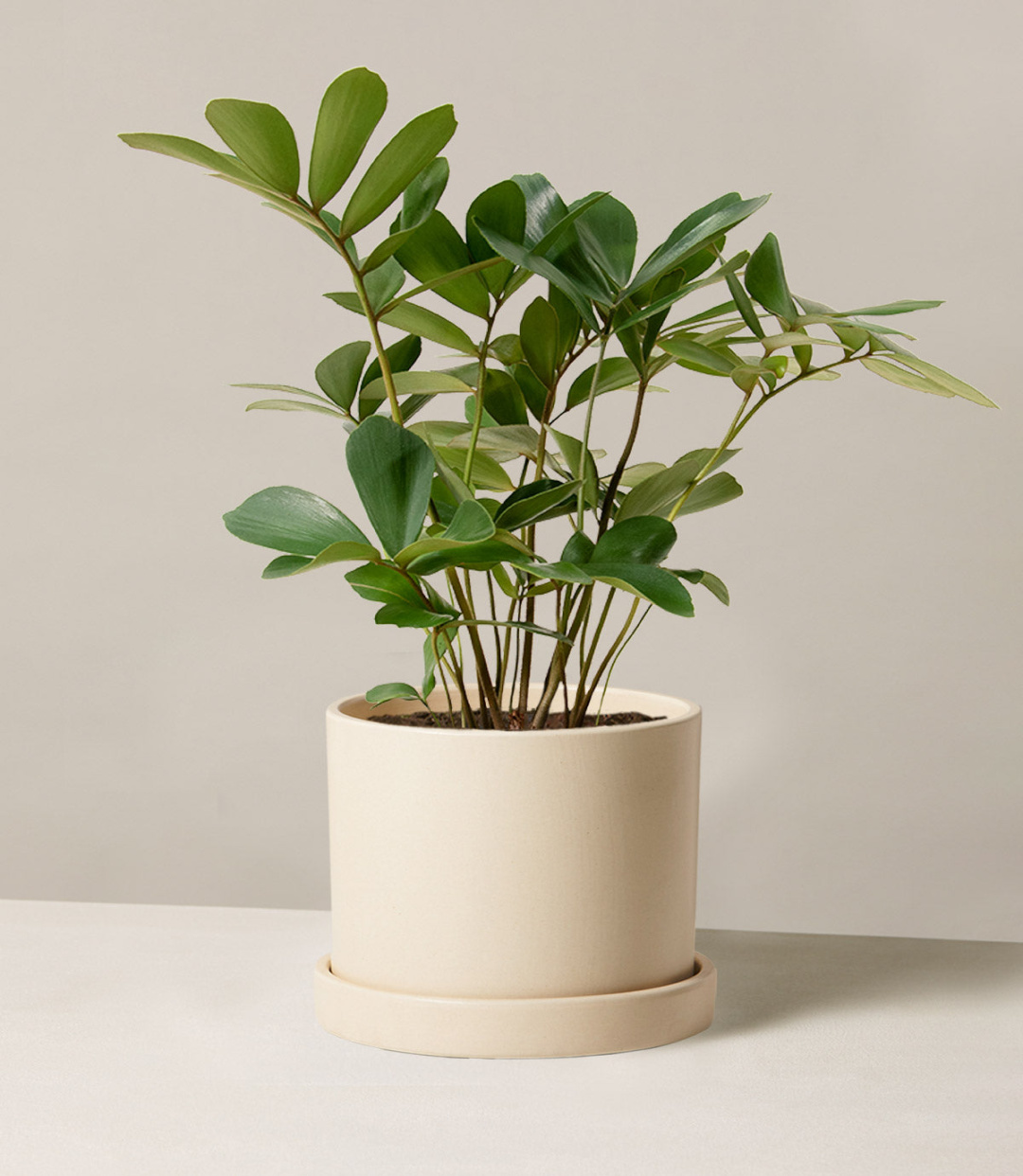
Cardboard plants, also known as Dieffenbachia, are a type of tropical plant that is commonly used for decorative purposes in homes and offices. However, their large, sturdy leaves and stems make them ideal for use in packaging as well. The leaves of the cardboard plant are thick and durable, making them perfect for protecting fragile items during shipping. Additionally, the plant’s stems can be easily cut into strips and woven together to create sturdy packaging materials such as boxes and trays.
Using cardboard plants for packaging offers a wide range of benefits for businesses and consumers alike. Not only are these plants biodegradable and compostable, but they also require minimal resources to grow and harvest. This makes them a much more sustainable option compared to traditional packaging materials such as plastic and Styrofoam. Additionally, cardboard plants are non-toxic and can be safely disposed of without harming the environment.
One of the key advantages of using cardboard plants for packaging is their versatility. These plants can be easily shaped and molded into a wide variety of packaging solutions, making them suitable for a range of different products. Whether you are shipping delicate electronics or bulky household items, cardboard plants can be tailored to meet your specific packaging needs. This versatility makes them an attractive option for businesses looking to streamline their packaging processes and minimize waste.
Furthermore, cardboard plants offer a unique aesthetic appeal that can help businesses stand out from the competition. The lush green leaves and striking patterns of the Dieffenbachia plant can add a touch of natural beauty to any package, creating a memorable unboxing experience for customers. In a world where first impressions are crucial, using cardboard plants for packaging can help businesses leave a lasting impact on consumers and build brand loyalty.
From a practical standpoint, cardboard plants are also incredibly cost-effective compared to traditional packaging materials. The relatively low cost of growing and harvesting these plants, combined with their durability and versatility, can result in significant savings for businesses in the long run. By switching to cardboard plant packaging, companies can reduce their packaging expenses while also demonstrating their commitment to sustainability and environmental responsibility.
In conclusion, the use of cardboard plants for packaging offers a sustainable and eco-friendly solution for businesses looking to reduce their environmental impact. These versatile plants are not only biodegradable and compostable but also cost-effective and visually appealing. By making the switch to cardboard plant packaging, businesses can demonstrate their commitment to sustainability, minimize waste, and create a memorable unboxing experience for customers. With eco-friendly solutions like cardboard plants readily available, a packaging paradise awaits those willing to embrace a more sustainable future.