The Marvelous Rhubarb: From Garden to Table
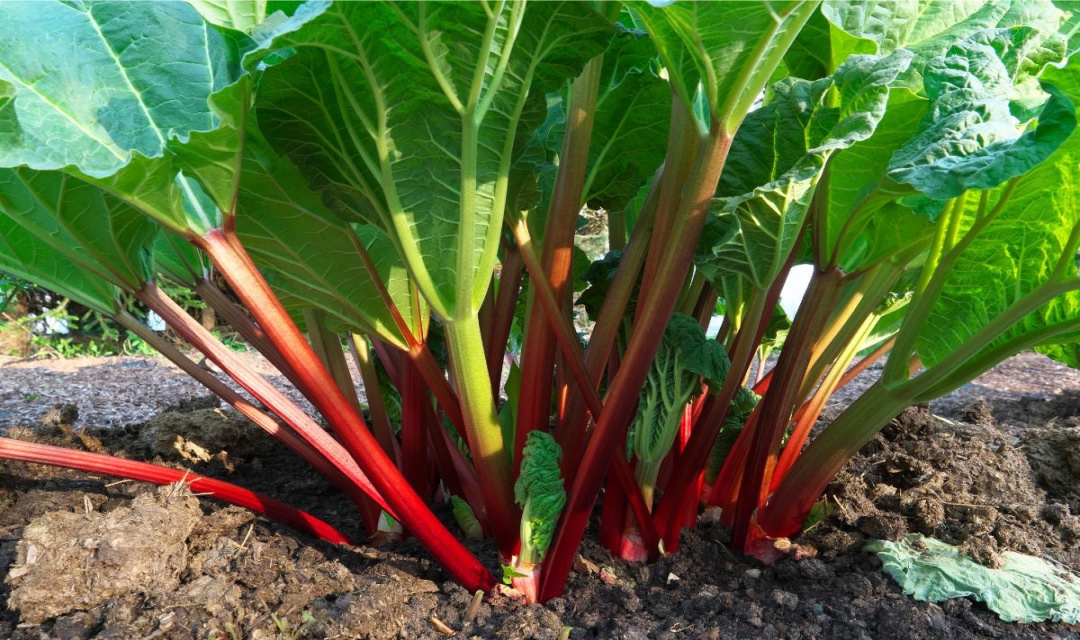
Rhubarb, with its vibrant red stalks and tart flavor, is a versatile plant that has been cherished for centuries for its culinary and medicinal properties. From pies to jams to sauces, rhubarb can be used in a variety of dishes to add a unique twist to any meal. But beyond its delicious taste, rhubarb also offers a multitude of health benefits that make it a true wonder plant.
One of the most fascinating things about rhubarb is its ability to thrive in a wide range of climates, making it a popular choice for home gardens. Whether you live in a hot, sunny climate or a cool, rainy one, rhubarb can be grown with relative ease. In fact, rhubarb is one of the first plants to emerge in the spring, making it a welcome sight for gardeners eager to get their hands dirty after a long winter.
But rhubarb isn’t just a pretty plant – it’s also incredibly good for you. Rich in vitamins and minerals, rhubarb is a powerhouse of nutrients that can help support your overall health. For example, rhubarb is a good source of vitamin K, which plays a key role in maintaining healthy bones and preventing osteoporosis. It’s also packed with antioxidants, which can help protect your cells from damage and reduce your risk of chronic diseases.
In addition to its nutritional benefits, rhubarb also has a long history of being used for its medicinal properties. In traditional Chinese medicine, rhubarb has been used for centuries to treat a variety of ailments, including digestive issues, inflammation, and even infections. And modern research has shown that rhubarb may have anti-inflammatory and anti-microbial properties, making it a valuable addition to your medicine cabinet.
Of course, one of the best things about rhubarb is its delicious taste. Whether you prefer it in a sweet dessert or a savory dish, rhubarb adds a unique flavor that can’t be matched. And with so many ways to prepare it – from pies to crisps to chutneys – there’s no shortage of ways to enjoy this versatile plant.
So why not try growing your own rhubarb this year? With just a little bit of care and attention, you can have a bountiful harvest of this marvelous plant that will keep you well-fed and healthy all season long. From garden to table, rhubarb truly is a culinary and medicinal wonder that deserves a place in every home.
Discover the Health Benefits of Rhubarb
Rhubarb is not only a versatile ingredient in the kitchen, but it also boasts a wide array of health benefits that make it a true culinary and medicinal wonder. This vibrant plant, with its long stalks and large green leaves, has been used for centuries as both a food source and a natural remedy for various ailments. Let’s explore some of the many health benefits that rhubarb has to offer.
First and foremost, rhubarb is an excellent source of vitamins and minerals that are essential for overall health and well-being. It is rich in vitamin C, which is known for its immune-boosting properties and its ability to help the body fight off infections and illnesses. In addition, rhubarb contains significant amounts of vitamin K, which is crucial for maintaining healthy bones and preventing osteoporosis.
But the health benefits of rhubarb don’t stop there. This superfood is also packed with fiber, which is essential for digestive health. Fiber helps regulate bowel movements, prevents constipation, and promotes a healthy gut microbiome. Additionally, the high fiber content in rhubarb can help lower cholesterol levels and reduce the risk of heart disease.
Rhubarb is also a great source of antioxidants, which are compounds that help neutralize harmful free radicals in the body. Free radicals can cause oxidative stress and damage to cells, leading to chronic inflammation and an increased risk of certain diseases, such as cancer and heart disease. By consuming foods high in antioxidants, like rhubarb, you can help protect your body from these harmful effects and promote overall health and longevity.
In addition to its nutritional benefits, rhubarb has also been used in traditional medicine for its medicinal properties. For centuries, rhubarb has been prized for its anti-inflammatory and anti-bacterial properties, making it a popular remedy for various ailments, such as arthritis, gout, and digestive issues. Rhubarb is also known for its diuretic properties, which can help promote kidney health and detoxify the body.
Furthermore, rhubarb has been shown to have potential anti-cancer properties. Studies have found that certain compounds in rhubarb, such as anthraquinones, may help inhibit the growth of cancer cells and prevent tumor formation. While more research is needed to fully understand the anti-cancer effects of rhubarb, these preliminary findings are promising and suggest that rhubarb may have a role to play in cancer prevention and treatment.
Overall, the health benefits of rhubarb are truly impressive. From its high vitamin and mineral content to its antioxidant and anti-inflammatory properties, rhubarb is a powerhouse of nutrition and healing. Whether enjoyed in a delicious pie or as a natural remedy for various ailments, rhubarb is a versatile plant that deserves a place in your kitchen and medicine cabinet. So next time you see this vibrant plant at the market, be sure to grab a bunch and reap the many health benefits that rhubarb has to offer.