Discover the Charm of the Donkey Tail Plant
The Donkey Tail plant, also known as Sedum morganianum, is a unique and beautiful succulent that is sure to add a touch of whimsy to any indoor or outdoor space. With its trailing stems and plump, fleshy leaves, this plant is a favorite among succulent enthusiasts for its distinct appearance and easy care requirements.
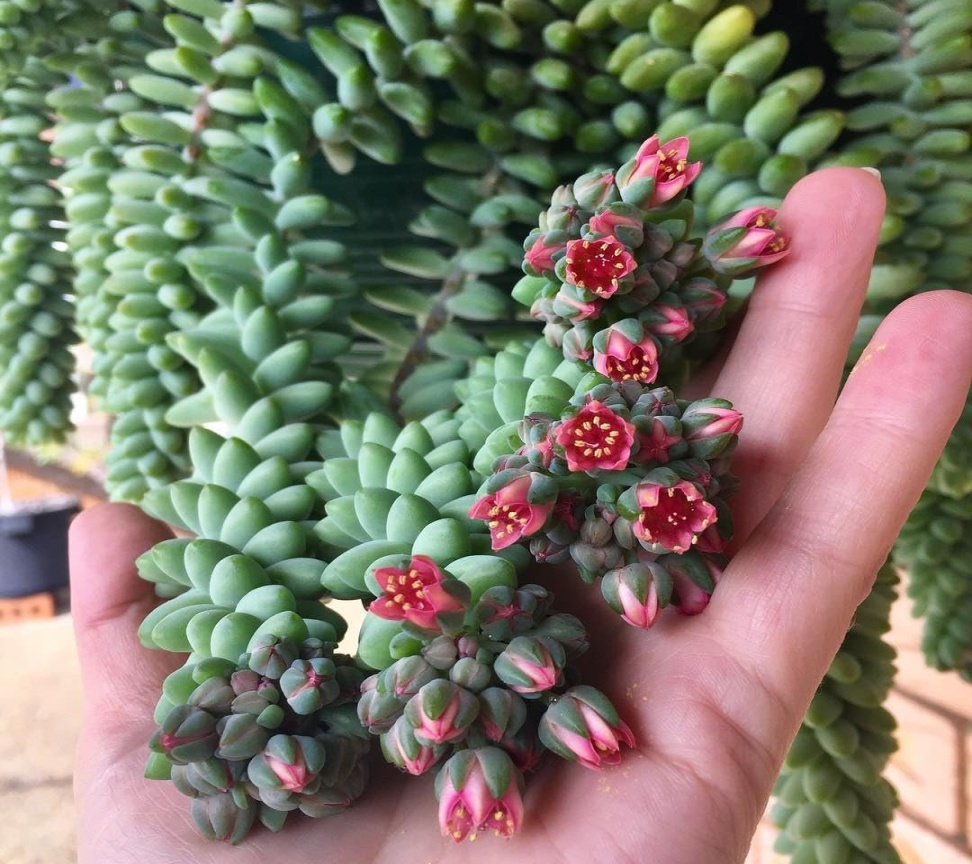
One of the most striking features of the Donkey Tail plant is its long, trailing stems that can grow up to two feet in length. These stems are covered in rows of thick, cylindrical leaves that closely resemble the tail of a donkey, hence the plant’s charming name. The leaves are a vibrant shade of green and have a slightly powdery texture, giving them a soft and velvety appearance.
Not only is the Donkey Tail plant visually appealing, but it is also incredibly easy to care for, making it an ideal plant for beginners or those with busy lifestyles. This succulent thrives in bright, indirect light and prefers well-draining soil, making it perfect for sunny windowsills or outdoor garden beds. It is important to allow the soil to dry out completely between waterings to prevent root rot, as the Donkey Tail plant is susceptible to overwatering.
In addition to its low maintenance requirements, the Donkey Tail plant is also a prolific grower, quickly filling out any hanging basket or container with its cascading stems. This makes it a great choice for adding a touch of greenery to shelves, mantels, or hanging planters. The plant’s unique growth habit also makes it a popular choice for creating living wall art or vertical gardens.
One of the best ways to showcase the beauty of the Donkey Tail plant is by pairing it with complementary plants in mixed succulent arrangements. Its trailing stems and vibrant green leaves provide a lovely contrast to the rosette shapes of Echeverias or the spiky textures of Haworthias. By combining different succulent varieties, you can create a stunning display that highlights the unique characteristics of each plant.
For those looking to add a touch of whimsy to their indoor or outdoor space, the Donkey Tail plant is a fantastic choice. Its charming appearance, easy care requirements, and versatility make it a favorite among plant enthusiasts of all skill levels. Whether displayed on its own or as part of a larger succulent arrangement, this quirky plant is sure to bring joy and beauty to any environment.
Keep Your Donkey Tail Thriving with These Tips
Are you looking to add a touch of beauty and charm to your indoor or outdoor space? Look no further than the Donkey Tail plant. This unique succulent is not only easy to care for but also adds a pop of greenery to any room or garden. To ensure that your Donkey Tail plant stays healthy and thriving, follow these simple tips:
1. Provide Plenty of Sunlight:
The Donkey Tail plant thrives in bright, indirect sunlight. Place your plant near a sunny window where it can receive ample light throughout the day. If you’re keeping your Donkey Tail plant outdoors, make sure it is not exposed to direct sunlight for extended periods, as this can cause sunburn.
2. Water Sparingly:
One of the most common mistakes people make with succulents like the Donkey Tail plant is overwatering. These plants are built to store water in their fleshy leaves, so they only need to be watered sparingly. Allow the soil to dry out completely between waterings, and be sure to use a well-draining potting mix to prevent root rot.
3. Watch the Temperature:
Donkey Tail plants prefer warm temperatures between 65-75°F (18-24°C). Avoid exposing your plant to extreme cold or hot temperatures, as this can cause stress and damage to the leaves. If you live in a cooler climate, consider bringing your Donkey Tail plant indoors during the winter months.
4. Fertilize Occasionally:
While Donkey Tail plants do not require frequent fertilization, a light feeding every few months can help promote healthy growth. Use a balanced, water-soluble fertilizer diluted to half strength and apply it to the soil during the plant’s active growing season in the spring and summer.
5. Repot when Necessary:
As your Donkey Tail plant grows, it may outgrow its current pot and become root-bound. When this happens, it’s time to repot your plant into a larger container. Choose a pot that is slightly larger than the current one and fill it with fresh potting mix. Repotting your plant every 2-3 years will help prevent overcrowding and promote optimal growth.
6. Prune with Care:
Donkey Tail plants have a trailing growth habit, which can sometimes become leggy or unruly. To maintain a neat appearance, prune back any overgrown or damaged stems with a sharp pair of scissors or pruning shears. Be sure to make clean cuts to prevent disease and encourage new growth.
7. Keep an Eye out for Pests:
While Donkey Tail plants are relatively pest-resistant, they can occasionally attract mealybugs or aphids. Inspect your plant regularly for any signs of pests, such as sticky residue or yellowing leaves. If you do spot pests, gently wipe them off with a cotton swab dipped in rubbing alcohol or treat your plant with a natural insecticidal soap.
By following these simple tips, you can keep your Donkey Tail plant looking healthy and vibrant year-round. With a little love and care, this charming succulent will continue to grace your home or garden with its beauty for years to come. So go ahead, unleash the beauty of the Donkey Tail plant and enjoy the rewards of a thriving, happy plant companion.