Bask in the Sweetness of Mangoes: Your Complete Growing Guide
Mangoes are truly a tropical delight, known for their sweet and juicy flesh that is loved by people all around the world. If you’re a fan of this delicious fruit and have ever wondered about growing your own mango tree, you’re in luck! In this complete growing guide, we’ll take you through everything you need to know to successfully cultivate your own mango tree and bask in the sweetness of homegrown mangoes.
Growing mango trees can be a rewarding experience, but it does require a bit of patience and effort. The first step in growing mangoes is to choose the right variety for your climate. There are many different types of mangoes, each with its own unique flavor and characteristics. Some popular varieties include Kent, Tommy Atkins, and Haden. Make sure to do some research and select a variety that is well-suited to your local climate.
Once you’ve chosen your mango variety, the next step is to find a suitable location for your mango tree. Mango trees thrive in warm, tropical climates and require plenty of sunlight to grow and produce fruit. Choose a spot in your garden that receives at least 6 hours of sunlight each day and has well-draining soil. Mango trees also prefer slightly acidic soil, so you may need to amend your soil if it is too alkaline.
When planting your mango tree, make sure to dig a hole that is twice as wide and deep as the tree’s root ball. Gently loosen the roots before planting and backfill the hole with a mixture of compost and soil. Water your newly planted mango tree thoroughly and continue to water it regularly, especially during hot and dry periods.
In addition to sunlight and water, mango trees also require regular fertilization to thrive. Use a balanced fertilizer with a higher percentage of nitrogen to promote healthy growth. Apply the fertilizer around the base of the tree every 6-8 weeks during the growing season, but be careful not to over-fertilize as this can lead to nutrient deficiencies and poor fruit production.
Pruning is another important aspect of caring for your mango tree. Pruning helps to maintain the tree’s shape, improve air circulation, and remove dead or damaged branches. Prune your mango tree in late winter or early spring before the new growth begins. Remove any crossing branches, water sprouts, or branches that are growing too close to the ground. You can also prune your mango tree to keep it at a manageable height for easier harvesting.
As your mango tree grows and matures, you may start to see flowers forming on the branches. Mango trees are self-pollinating, but you can increase your chances of a good fruit set by hand-pollinating the flowers. Use a small paintbrush to transfer pollen from one flower to another, or simply shake the branches gently to disperse the pollen.
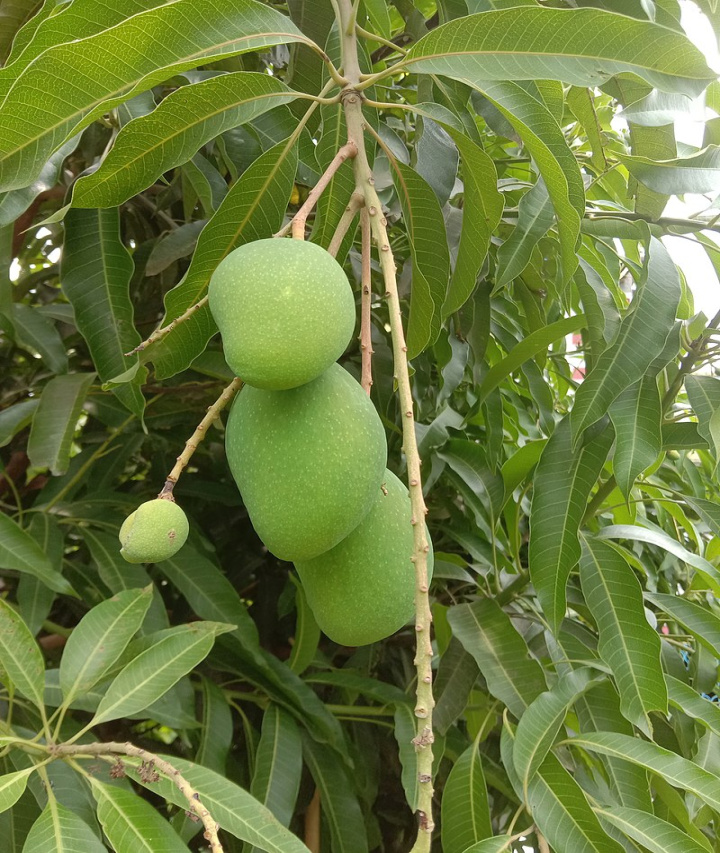
Once your mango tree has successfully flowered and set fruit, it’s time to sit back and wait for the sweet reward. Mangoes typically take several months to ripen, depending on the variety and growing conditions. You’ll know your mangoes are ready to harvest when they have developed a sweet aroma and a slight give when squeezed gently.
Growing your own mango tree can be a fun and rewarding experience, allowing you to enjoy the sweet taste of homegrown mangoes right from your own backyard. With the right care and attention, your mango tree will thrive and provide you with a bountiful harvest for years to come. So why not give it a try and bask in the sweetness of mangoes?
Cultivate Joy: Tips for Caring for Your Mango Trees
Mangoes are truly a tropical delight, known for their sweet and juicy flavor. If you’re lucky enough to have your own mango trees, you know the joy that comes from watching them grow and flourish. But caring for mango trees requires a bit of knowledge and dedication. In this guide, we’ll provide you with some tips on how to cultivate joy by properly caring for your mango trees.
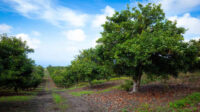
First and foremost, it’s important to choose the right location for your mango trees. Mango trees thrive in tropical and subtropical climates, so make sure you plant them in a sunny spot with well-draining soil. They also need plenty of space to grow, so be sure to plant them at least 15 feet apart.
Once you’ve planted your mango trees, the next step is to water them regularly. Mango trees need consistent moisture, especially during the growing season. Make sure to water them deeply, but be careful not to overwater as mango trees are susceptible to root rot.
Fertilizing your mango trees is another important aspect of caring for them. Use a balanced fertilizer with a higher potassium content to promote fruit production. Apply the fertilizer in the spring and summer months, but be sure to follow the instructions on the package for the correct dosage.
Pruning your mango trees is also crucial for their health and productivity. Prune your trees annually in the winter to remove any dead or diseased branches. This will help improve air circulation and sunlight penetration, which are important for fruit development.
Protecting your mango trees from pests and diseases is essential for their overall well-being. Keep an eye out for common pests such as mango scale, spider mites, and fruit flies. Treat any infestations promptly with organic or chemical pesticides to prevent damage to your trees.
In addition to pest control, it’s important to monitor the health of your mango trees regularly. Look out for signs of nutrient deficiencies, such as yellowing leaves or stunted growth. Address any issues promptly by adjusting your fertilization or watering practices.
Harvesting your mangoes at the right time is the final step in caring for your mango trees. Mangoes are ready to be picked when they have developed their full color and fragrance, and when they give slightly to gentle pressure. Use pruning shears to cut the mangoes from the tree, leaving a bit of stem attached.
By following these tips for caring for your mango trees, you can cultivate joy and ensure that your trees thrive and produce bountiful fruit. Remember to choose the right location, water and fertilize regularly, prune for health, protect from pests and diseases, and harvest at the peak of ripeness. With a little bit of care and attention, your mango trees will continue to bring you delicious fruit for years to come.