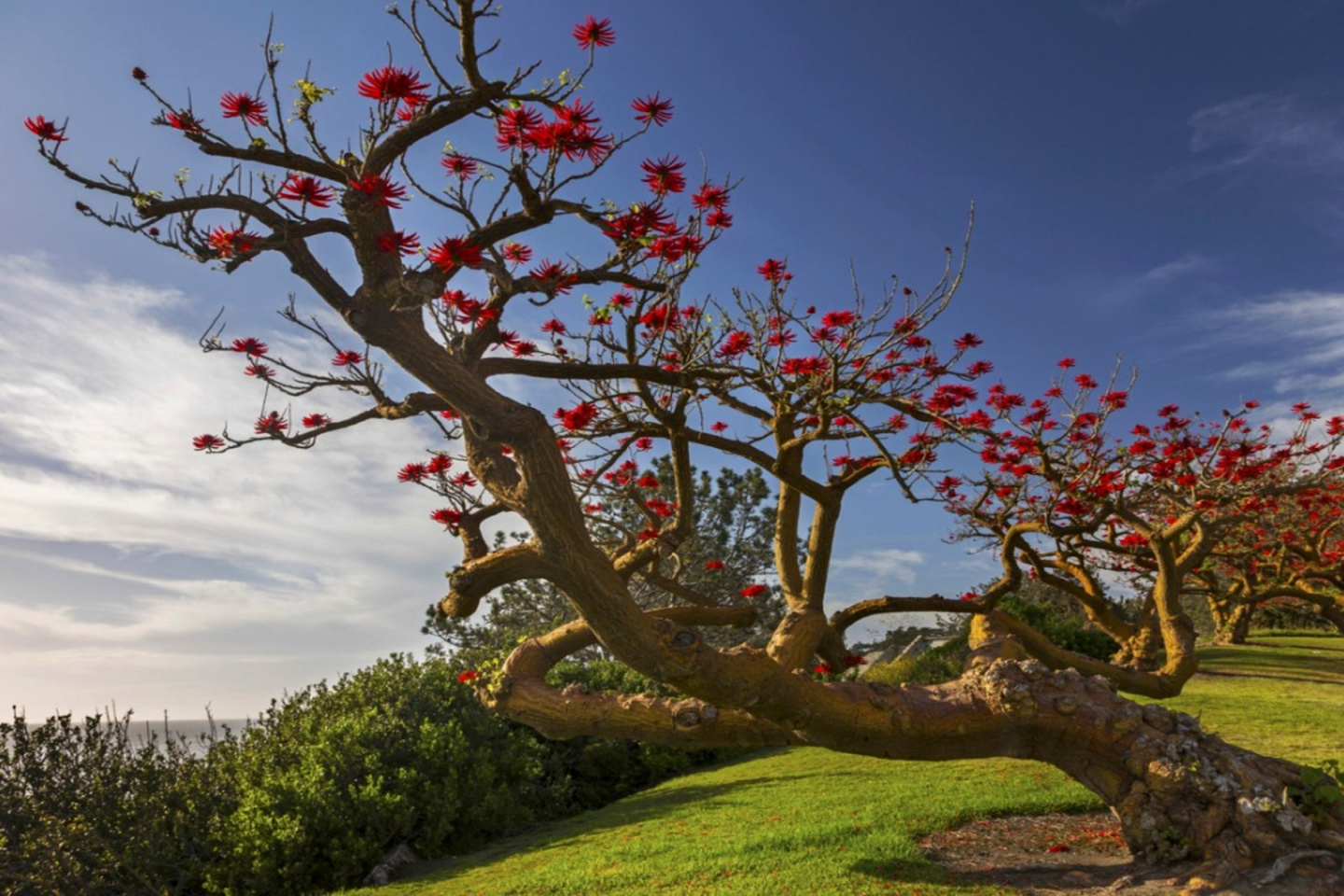
The Majestic Coral Tree: A Symbol of Beauty and Strength
The Coral Tree, also known as Erythrina, is a stunningly beautiful and strong tree that holds a special place in the hearts of many nature lovers. With its vibrant, coral-colored flowers and sturdy trunk, the Coral Tree stands out as a true masterpiece of nature.
The Coral Tree is native to tropical and subtropical regions around the world, including Africa, Asia, Australia, and the Americas. Its striking appearance and ability to thrive in diverse climates make it a popular choice for landscaping and gardening.
One of the most striking features of the Coral Tree is its vibrant coral-colored flowers, which bloom in clusters along the branches. These flowers attract a variety of pollinators, including bees, butterflies, and hummingbirds, making the tree a hub of activity for wildlife.
In addition to its beauty, the Coral Tree is also known for its strength and resilience. The tree’s sturdy trunk and branches are able to withstand strong winds and harsh weather conditions, making it a symbol of perseverance and endurance.
The Coral Tree’s strength is not only physical but also symbolic. In many cultures, the tree is seen as a symbol of protection and stability. Its ability to weather storms and thrive in challenging environments has made it a powerful symbol of resilience and inner strength.
In Hawaiian culture, the Coral Tree is known as the naio tree and is believed to bring good luck and protection to those who plant it. The tree’s vibrant flowers are also used in traditional medicine to treat various ailments, further highlighting its importance in Hawaiian culture.
The Coral Tree’s beauty and strength have inspired artists and poets for centuries. Its vibrant colors and unique shape have been captured in paintings, sculptures, and poems, celebrating the tree’s natural elegance and resilience.
In addition to its aesthetic appeal, the Coral Tree also plays a vital role in the ecosystem. The tree’s flowers provide nectar for pollinators, while its leaves and branches offer shelter and food for a variety of wildlife. By planting Coral Trees, gardeners can help support local ecosystems and promote biodiversity in their communities.
Whether standing tall in a tropical forest or adorning a garden with its vibrant blooms, the Coral Tree is a true symbol of beauty and strength. Its striking appearance and resilience in the face of adversity serve as a reminder of the remarkable power of nature and the importance of protecting our natural world.
The Majestic Coral Tree: A Symbol of Beauty and Strength
The Coral Tree, also known as Erythrina, is a stunning tree that is not only beautiful to look at but also represents strength and resilience. Its vibrant red, orange, and pink flowers attract attention wherever they are planted, making them a popular choice for gardens and landscapes around the world.
The Coral Tree is native to tropical and subtropical regions, where it thrives in sunny and warm climates. It can grow up to 30 feet tall, with branches that spread out in all directions, creating a canopy of color and beauty. The tree’s leaves are large and oval-shaped, providing shade and protection from the sun.
One of the most striking features of the Coral Tree is its flowers, which bloom in clusters and resemble the shape of a coral reef. The bright colors of the flowers attract birds, bees, and butterflies, making the tree a hub of activity and life. The flowers are also symbolic of love and passion, adding to the tree’s allure and charm.
In addition to its beauty, the Coral Tree is also known for its resilience and strength. The tree is able to withstand harsh conditions, including drought and poor soil quality, making it a symbol of perseverance and endurance. Its deep roots anchor it firmly in the ground, allowing it to weather storms and thrive in challenging environments.
The Coral Tree’s ability to adapt and thrive in adverse conditions makes it a source of inspiration for many people. Its resilience serves as a reminder that beauty can be found in the face of adversity, and that strength comes from within. The tree’s vibrant colors and bold presence also symbolize courage and confidence, encouraging others to stand tall and embrace their own beauty and power.
The Coral Tree’s significance goes beyond its physical beauty and strength. In many cultures, the tree is regarded as a symbol of protection and healing. Its flowers are used in traditional medicine to treat a variety of ailments, including inflammation and pain. The tree’s wood is also prized for its durability and versatility, making it a valuable resource for construction and furniture.
In South Africa, the Coral Tree is considered a sacred tree by the Zulu people, who believe that it has the power to ward off evil spirits and bring good fortune. The tree is often planted near homes and villages as a form of protection and blessing. Its presence is believed to bring peace and harmony to the community, creating a sense of unity and connection among its inhabitants.
The Coral Tree’s cultural significance extends to other parts of the world as well. In Hawaii, the tree is known as Wiliwili and is revered for its beauty and symbolism. The tree’s bright red flowers are used in leis and decorations for special occasions, symbolizing love, passion, and vitality. The tree is also featured in traditional hula dances, where its graceful branches sway in the wind, creating a sense of movement and rhythm.
Overall, the Coral Tree is a majestic symbol of beauty and strength that inspires awe and admiration wherever it grows. Its vibrant colors, resilience, and cultural significance make it a beloved tree that is cherished by people around the world. Whether standing tall in a garden or swaying in the tropical breeze, the Coral Tree is a timeless reminder of the power of nature and the beauty that surrounds us.