Embrace the Enchanting Aroma of Honeysuckle Bushes
The sweet fragrance of honeysuckle is a delightful addition to any garden, filling the air with its enchanting scent. Honeysuckle bushes are easy to grow and care for, making them a popular choice for both novice and experienced gardeners. If you’ve ever walked past a honeysuckle bush in bloom, you’ll know just how intoxicating their aroma can be. In this guide, we’ll explore how to grow and care for honeysuckle bushes so you can enjoy their sweet fragrance in your own garden.
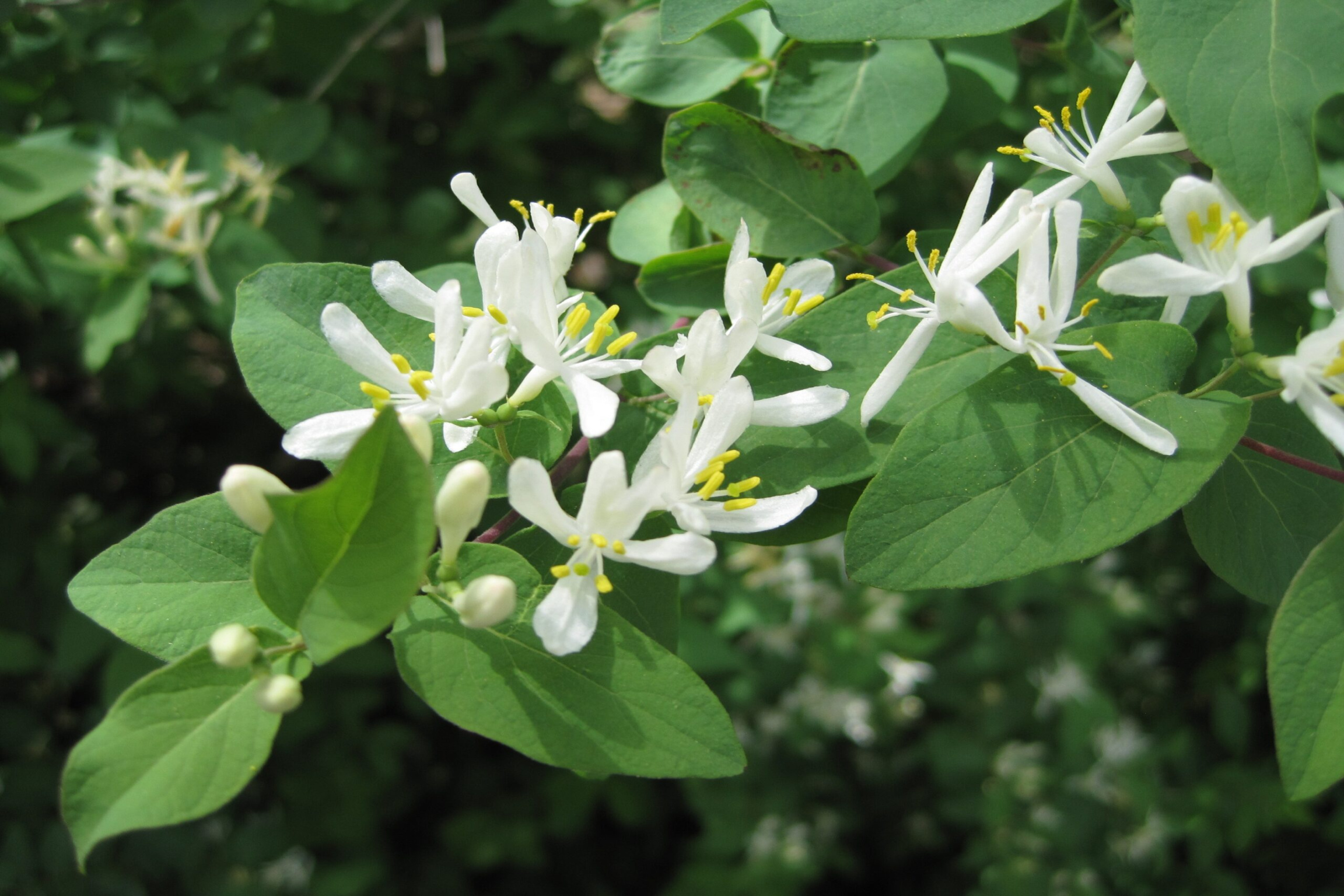
Honeysuckle bushes, also known as Lonicera, are versatile plants that can be grown in a variety of climates and soil types. They are known for their vibrant blooms and long blooming season, with flowers that range in color from white and yellow to pink and red. Honeysuckle bushes can be grown as shrubs or vines, making them a versatile addition to any garden.
To grow honeysuckle bushes, start by choosing a sunny location with well-draining soil. Honeysuckle bushes prefer full sun but can tolerate partial shade. Plant your honeysuckle bush in the spring or fall, digging a hole that is twice as wide and deep as the root ball. Mix in some compost or organic matter to help improve soil quality and drainage.
Once your honeysuckle bush is planted, water it regularly to keep the soil moist but not waterlogged. Honeysuckle bushes have shallow roots, so they require frequent watering, especially during hot, dry weather. Mulch around the base of the plant to help retain moisture and suppress weeds.
Pruning is an important part of caring for honeysuckle bushes, as it helps to promote healthy growth and abundant blooms. Prune your honeysuckle bush in the late winter or early spring before new growth appears. Remove any dead or damaged branches, as well as any growth that is crowding the center of the plant. You can also prune your honeysuckle bush to shape it or control its size.
Fertilizing your honeysuckle bush is not usually necessary, as they are relatively low-maintenance plants. However, if you notice that your honeysuckle bush is not blooming as much as usual or the foliage is looking dull, you can apply a balanced fertilizer in the spring. Be sure to follow the manufacturer’s instructions and avoid over-fertilizing, as this can damage the plant.
One of the best things about growing honeysuckle bushes is the joy of watching wildlife visit your garden. Honeysuckle bushes are a favorite of hummingbirds, bees, and butterflies, who are attracted to the sweet nectar of the flowers. By planting honeysuckle bushes in your garden, you can create a haven for these pollinators and enjoy the sight of them flitting from flower to flower.
In conclusion, honeysuckle bushes are a beautiful and fragrant addition to any garden. By following these tips for growing and caring for honeysuckle bushes, you can enjoy the enchanting aroma of their flowers and the beauty of their blooms for years to come. So why not plant a honeysuckle bush in your garden today and experience the sweet fragrance of honeysuckle for yourself?
Cultivating Beauty: Tips for Thriving Honeysuckle Plants
The sweet fragrance of honeysuckle is truly enchanting, filling the air with its delightful aroma. If you are looking to add some beauty and charm to your garden, growing honeysuckle bushes is a wonderful choice. These plants not only add a lovely scent to your outdoor space but also attract bees, butterflies, and hummingbirds with their vibrant blooms. To ensure that your honeysuckle plants thrive and flourish, here are some tips for cultivating beauty in your garden.
1. Choose the Right Location:
Honeysuckle plants prefer full sun or partial shade, so make sure to plant them in a spot where they will receive adequate sunlight. Additionally, honeysuckle bushes can be climbers or shrubs, so consider the type of honeysuckle plant you are growing and provide the necessary support or space for it to grow.
2. Provide Well-Drained Soil:
Honeysuckle plants thrive in well-drained soil that is rich in organic matter. Make sure to plant them in soil that drains well to prevent waterlogging, which can lead to root rot. Adding compost or mulch to the soil can help improve its drainage and provide essential nutrients for the plants.
3. Water Regularly:
While honeysuckle plants are drought-tolerant once established, they still require regular watering, especially during hot and dry periods. Water your honeysuckle bushes deeply once a week to ensure that the roots receive adequate moisture. Avoid overwatering, as this can lead to root rot and other fungal diseases.
4. Prune Regularly:
Pruning is essential for maintaining the health and shape of honeysuckle plants. Remove dead or damaged branches, as well as any overgrown or tangled growth. Pruning can also help promote new growth and encourage more blooms. Prune your honeysuckle bushes in the early spring before new growth appears.
5. Fertilize Occasionally:
Honeysuckle plants do not require heavy fertilization, but occasional feeding can help promote healthy growth and abundant blooms. Use a balanced fertilizer in the early spring before the growing season begins. Avoid using excessive amounts of fertilizer, as this can lead to excessive foliage growth at the expense of blooms.
6. Control Pests and Diseases:
Honeysuckle plants are generally resistant to pests and diseases, but occasional problems may occur, especially in humid or crowded conditions. Keep an eye out for common pests such as aphids, spider mites, and powdery mildew. Treat any infestations promptly with organic or chemical controls to prevent damage to your plants.
7. Support Climbing Varieties:
If you are growing climbing honeysuckle plants, provide them with a sturdy support structure such as a trellis, fence, or arbor. Train the vines to climb along the support and secure them with ties or clips as needed. Regularly check the support structure to ensure that it can accommodate the growth of the honeysuckle plant.
By following these tips for cultivating beauty in your garden, you can enjoy the sweet fragrance and vibrant blooms of honeysuckle plants all season long. With the right care and attention, your honeysuckle bushes will thrive and bring joy to both you and the pollinators that visit your garden. Happy gardening!