Blossoming Beauties: The Secret to Plants’ Flourishing Lives
Plants are truly miraculous beings that have the ability to thrive and flourish in a variety of environments. From the tiniest wildflowers to the tallest trees, each plant has its own unique beauty and purpose in the ecosystem. But what is the secret to plants’ flourishing lives?
One of the key factors in the success of plants is their ability to adapt to their surroundings. Plants have evolved over millions of years to be able to thrive in a wide range of conditions, from the deserts of the Sahara to the rainforests of the Amazon. They have developed specialized structures, such as roots, stems, and leaves, that allow them to absorb nutrients, water, and sunlight efficiently. This adaptability is what allows plants to survive and thrive in even the harshest of environments.
Another secret to plants’ flourishing lives is their symbiotic relationships with other organisms. Plants have evolved to form mutually beneficial partnerships with a variety of organisms, such as fungi, bacteria, and insects. These relationships help plants to obtain essential nutrients, protect them from predators, and even aid in reproduction. For example, many plants rely on bees and other pollinators to help them reproduce, while others form relationships with fungi to help them absorb nutrients from the soil.
In addition to their adaptability and symbiotic relationships, plants also have the incredible ability to photosynthesize. This process, in which plants convert sunlight into energy, is what allows them to grow and thrive. Through photosynthesis, plants are able to produce their own food and release oxygen into the atmosphere, which is essential for all living organisms. This ability to harness the power of the sun is what makes plants such vital and important members of the ecosystem.
Plants also have a remarkable ability to communicate with each other. Through a complex network of chemical signals and other mechanisms, plants are able to warn each other of impending threats, such as pests or diseases, and even share nutrients with their neighbors. This communication system helps plants to stay healthy and thrive in their environment.
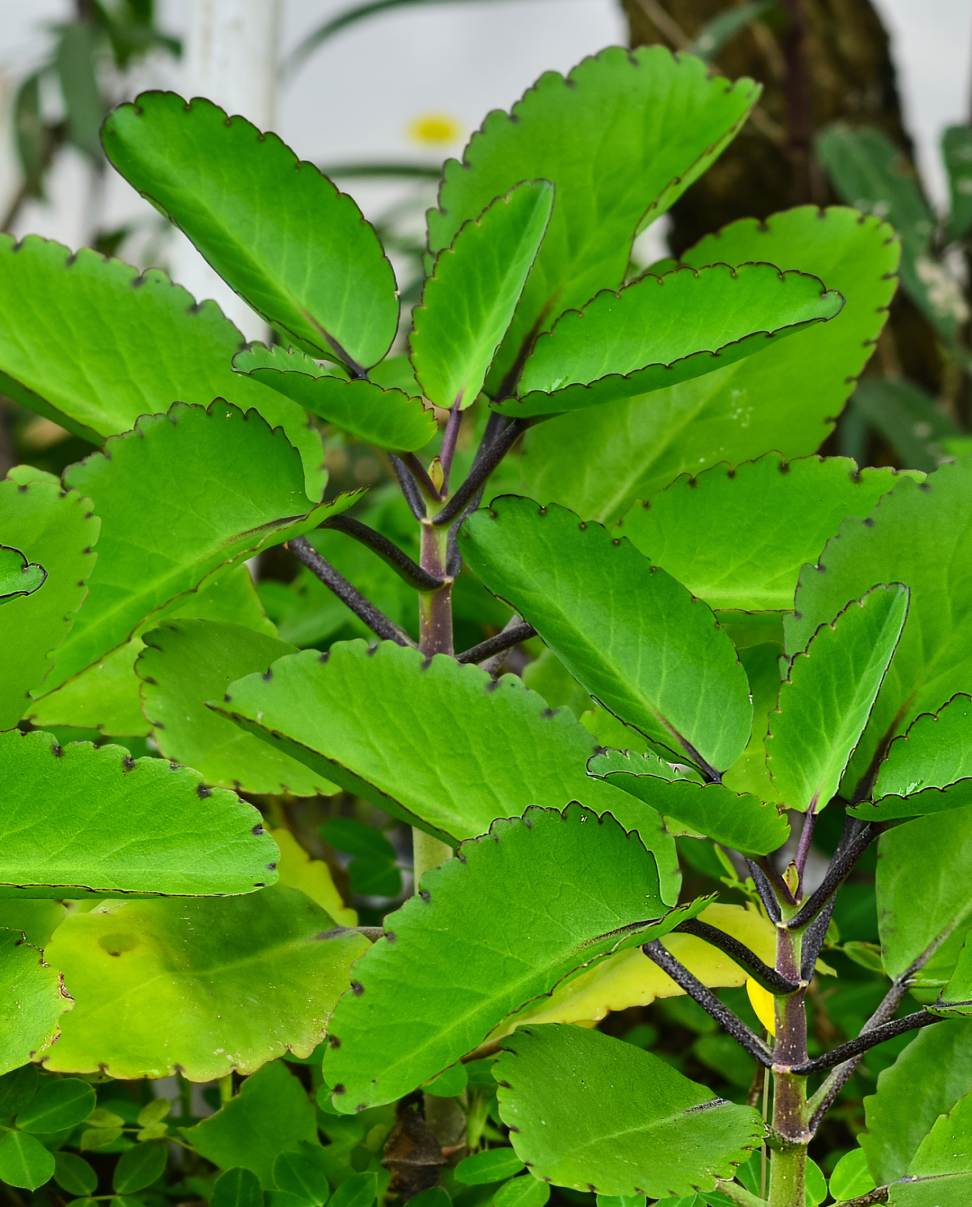
One of the most fascinating aspects of plants’ flourishing lives is their ability to regenerate and adapt to changes in their environment. Plants have the remarkable ability to regenerate damaged or lost tissues, such as leaves or roots, and even to grow entirely new plants from a single leaf or stem. This adaptability allows plants to survive and thrive in changing conditions, such as droughts, floods, or fires.
Overall, the secret to plants’ flourishing lives lies in their incredible adaptability, symbiotic relationships, photosynthetic abilities, communication systems, and regenerative powers. By harnessing these unique qualities, plants are able to thrive and flourish in a wide range of environments, providing beauty, oxygen, and essential nutrients for all living organisms. So next time you admire a beautiful flower or majestic tree, remember the secrets that lie beneath their flourishing lives.
Nature’s Miracles: How Plants Thrive and Grow with Ease
Plants are truly remarkable beings that never cease to amaze us with their ability to thrive and grow with such ease. From the tiniest blade of grass to the towering sequoia trees, each plant has its own unique way of flourishing and adapting to its environment. In this article, we will explore some of the amazing ways in which plants thrive and grow, showcasing the true miracles of nature.
One of the most fascinating aspects of plants is their ability to photosynthesize, a process in which they convert sunlight into energy. Through this miraculous process, plants are able to produce their own food and fuel their growth. The chlorophyll in their leaves absorbs sunlight, which is then used to convert carbon dioxide and water into glucose and oxygen. This remarkable ability not only sustains the plant itself, but also plays a crucial role in supporting all life on Earth by producing oxygen for us to breathe.
Another incredible feat of plants is their ability to adapt to their surroundings in order to thrive. Whether they are growing in a hot desert or a cold mountain range, plants have evolved unique strategies to survive and flourish in even the harshest of environments. Some plants have developed deep root systems to access water underground, while others have thick waxy coatings on their leaves to retain moisture. By adapting to their surroundings, plants are able to thrive in a wide range of habitats and climates.
Plants also have a remarkable ability to communicate and form symbiotic relationships with other organisms. For example, some plants release chemicals into the air to attract pollinators like bees and butterflies, ensuring the continuation of their species through cross-pollination. Others form mutually beneficial relationships with fungi in the soil, exchanging nutrients in a process known as mycorrhizal symbiosis. These interactions not only benefit the plants themselves, but also contribute to the overall health and diversity of ecosystems.
In addition to their biological marvels, plants also have a variety of physical adaptations that enable them to grow and flourish. Some plants have thorns or spines to protect themselves from predators, while others have evolved unique shapes and structures to maximize their exposure to sunlight. The Venus flytrap, for example, has specialized leaves that snap shut when triggered by an unsuspecting insect, providing the plant with a source of nutrients.
Plants are also incredibly resilient beings, capable of regenerating and reproducing in the face of adversity. Many plants have the ability to regenerate from cuttings or seeds, allowing them to recover from damage or propagate new offspring. Some plants even have the ability to self-pollinate or produce seeds without the need for a partner, ensuring the continuation of their species even in isolation.
Overall, the flourishing lives of plants are a true testament to the miracles of nature. From their ability to photosynthesize and adapt to their environment, to their capacity for communication and physical adaptations, plants are truly remarkable beings that continue to inspire awe and wonder. By studying and appreciating the incredible ways in which plants thrive and grow, we can gain a greater appreciation for the beauty and complexity of the natural world around us.