The Curious Case of Cornus Controversa
In the world of plants and gardening, there is one particular species that has sparked quite a debate among enthusiasts and experts alike – the Cornus Controversa. This unique plant, also known as the Wedding Cake Tree or the Pagoda Dogwood, has captured the attention of many due to its distinctive appearance and interesting characteristics.
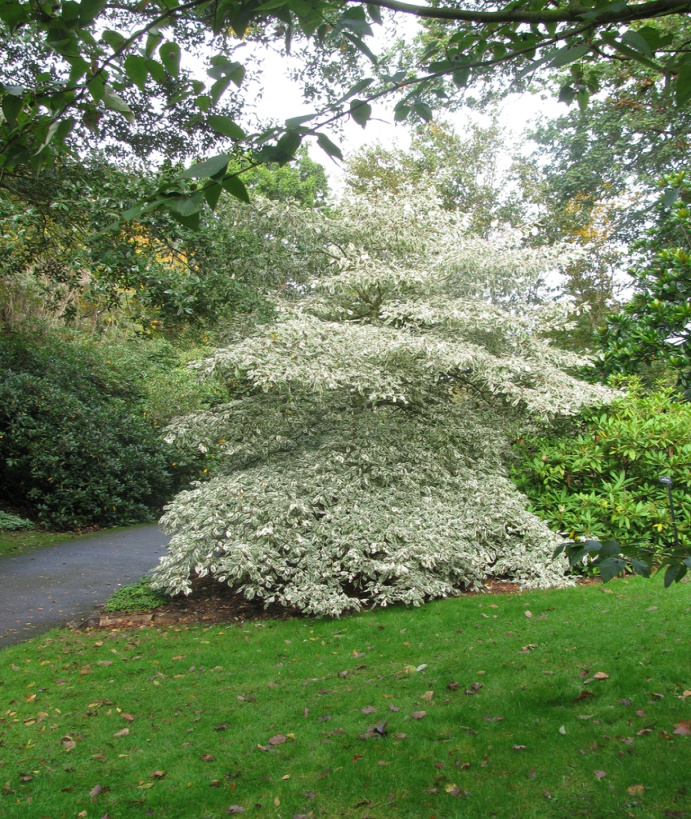
The Cornus Controversa is a deciduous tree that is native to East Asia, particularly China and Japan. It is known for its tiered branches that give it the appearance of a wedding cake, hence its popular nickname. The tree can grow up to 30 feet tall and produces clusters of white flowers in the spring, followed by blue-black berries in the fall. Its leaves are also quite striking, turning a vibrant red in the autumn months.
One of the most intriguing aspects of the Cornus Controversa is its growth pattern. Unlike most trees, which have a central leader that grows straight up, the Cornus Controversa has a distinctive horizontal branching habit. This unique growth pattern has led to much debate among gardeners and horticulturists about the best way to care for and prune the tree.
Some experts argue that the horizontal branching of the Cornus Controversa is what gives it its unique charm and should be left untouched. They believe that pruning the tree to create a more traditional shape would detract from its beauty and character. Others, however, suggest that pruning the tree to remove some of the horizontal branches can help promote better growth and overall health.
Another point of contention surrounding the Cornus Controversa is its susceptibility to certain diseases and pests. Like many plants, the Cornus Controversa is prone to issues such as powdery mildew, canker, and borers. Some gardeners have reported difficulty in keeping their Cornus Controversa trees healthy and free from these ailments, leading to further debate about the best practices for disease prevention and treatment.
Despite the controversies surrounding the Cornus Controversa, one thing is for certain – this tree is a beautiful and eye-catching addition to any garden or landscape. Its unique appearance and striking features make it a popular choice for those looking to add a touch of elegance and whimsy to their outdoor space.
Whether you choose to leave your Cornus Controversa in its natural, horizontal state or opt to prune it for a more traditional look, there is no denying the charm and allure of this captivating tree. So the next time you find yourself debating the best way to care for your Cornus Controversa, remember that the beauty of this plant lies in its controversy.
Unraveling the Mysteries of the Cornus Controversa Plant
The Cornus Controversa plant, also known as the Wedding Cake Tree, is a unique and intriguing species that has sparked debate among horticulturalists and garden enthusiasts alike. With its distinctive tiered branches and elegant white flowers, this plant has captured the imagination of many, but its origins and characteristics remain shrouded in mystery.
One of the most fascinating aspects of the Cornus Controversa plant is its unusual growth pattern. Unlike most trees, which grow in a straight and uniform manner, the Cornus Controversa plant has a distinctive layered appearance, with branches that grow outward in a horizontal fashion, resembling the layers of a wedding cake. This unique structure has led to much speculation about the plant’s evolutionary history and the factors that have shaped its growth pattern.
Some experts believe that the tiered branches of the Cornus Controversa plant may have evolved as a response to environmental conditions, such as competition for sunlight in densely forested areas. By growing outward in a horizontal fashion, the plant is able to capture more sunlight and maximize its photosynthetic efficiency. Others suggest that the tiered branches may have a purely aesthetic function, serving to attract pollinators and enhance the plant’s visual appeal.
In addition to its unique growth pattern, the Cornus Controversa plant is also prized for its delicate white flowers, which bloom in clusters along the branches in the spring. These flowers are a favorite of bees and other pollinators, making the plant a valuable addition to any garden or landscape. The blooms are followed by small red berries in the fall, which provide food for birds and other wildlife.
Despite its beauty and ecological importance, the Cornus Controversa plant has also been the subject of controversy in recent years. Some horticulturalists argue that the plant is invasive and aggressive, spreading rapidly and outcompeting native species in some areas. Others defend the plant, citing its value as a food source for wildlife and its unique ornamental qualities.
To further complicate matters, there is ongoing debate about the taxonomy of the Cornus Controversa plant. While it is commonly known as the Wedding Cake Tree, some experts argue that it should be classified as a subspecies of the Cornus kousa plant, rather than as a separate species. This debate has implications for the plant’s conservation status and management, as well as for our understanding of its evolutionary history.
In conclusion, the Cornus Controversa plant is a fascinating and enigmatic species that continues to capture the imagination of gardeners and naturalists around the world. Its unique growth pattern, elegant flowers, and controversial status make it a subject of ongoing debate and discussion. Whether you see it as a beautiful addition to your garden or a potential threat to native ecosystems, one thing is certain – the Cornus Controversa plant will continue to intrigue and inspire for years to come.