Crafting Tiny Masterpieces: The Japanese Maple Bonsai
The art of bonsai has been practiced in Japan for centuries, with the Japanese Maple Bonsai being one of the most popular and iconic styles. Cultivating these miniature trees is not just a hobby, but a true art form that requires patience, skill, and a deep appreciation for nature.
Japanese Maple Bonsai trees are known for their delicate leaves, vibrant colors, and graceful branches. These miniature masterpieces are created through a meticulous process of pruning, wiring, and shaping the tree to resemble a full-sized maple tree in nature. The end result is a bonsai tree that exudes beauty and tranquility, making it a perfect addition to any home or garden.
To begin the process of crafting a Japanese Maple Bonsai, one must start with a young maple tree sapling. The sapling is carefully pruned to shape the tree’s trunk and branches, creating a miniature version of a full-grown maple tree. The roots are also pruned and shaped to fit into a small bonsai pot, which helps to restrict the tree’s growth and maintain its miniature size.
Once the basic shape of the bonsai tree is established, the next step is to wire the branches to give them a more natural and artistic appearance. This process requires precision and attention to detail, as each branch must be carefully positioned to create a balanced and harmonious composition. The branches are gently bent and shaped using bonsai wire, allowing the tree to take on its unique and artistic form.
In addition to pruning and wiring, a key aspect of cultivating a Japanese Maple Bonsai is the care and maintenance of the tree. Bonsai trees require regular watering, fertilizing, and repotting to ensure their health and vitality. Proper sunlight exposure is also essential, as Japanese Maple Bonsai trees thrive in bright, indirect light.
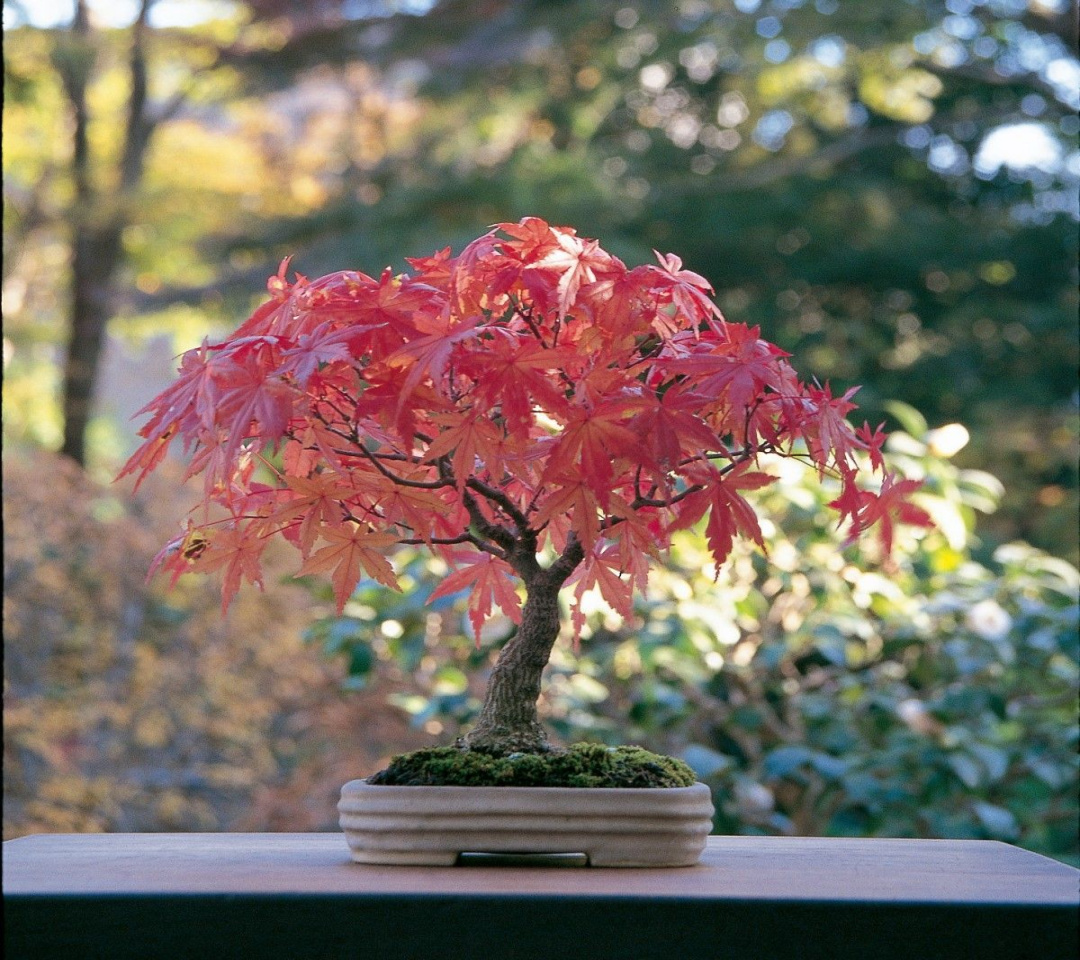
One of the most fascinating aspects of Japanese Maple Bonsai trees is their ability to change with the seasons. In the spring, the leaves of the tree emerge in vibrant shades of green, which gradually transition to fiery reds and oranges in the fall. This seasonal transformation adds an element of beauty and drama to the bonsai tree, making it a dynamic and ever-changing work of art.
The art of cultivating Japanese Maple Bonsai is not just about creating a miniature tree, but about capturing the essence of nature and distilling it into a small and exquisite form. Each bonsai tree is a unique expression of the artist’s vision and creativity, reflecting the beauty and harmony of the natural world.
In conclusion, crafting a Japanese Maple Bonsai is a labor of love that requires dedication, skill, and a deep appreciation for the beauty of nature. These tiny masterpieces bring a sense of tranquility and harmony to any space, serving as a reminder of the timeless art of bonsai and the beauty of the natural world.
Growing Beauty: A Guide to Cultivating Miniature Elegance
The art of Japanese Maple Bonsai is a centuries-old tradition that involves cultivating miniature trees in containers, creating beautiful and intricate works of art. This ancient practice requires patience, skill, and a deep understanding of the delicate balance between nature and human intervention.
Japanese Maple Bonsai trees are known for their stunning foliage, which changes color with the seasons, turning vibrant shades of red, orange, and gold. These miniature trees can bring a touch of elegance and beauty to any space, whether it’s a small apartment balcony or a sprawling garden.
To cultivate a Japanese Maple Bonsai tree, you must first select a young sapling with a strong trunk and healthy roots. The tree should have a balanced shape and be free from any signs of disease or pest infestation. Once you have chosen the perfect sapling, it’s time to begin the process of training and shaping the tree into a miniature work of art.
One of the key techniques used in cultivating a Japanese Maple Bonsai tree is pruning. By carefully trimming the branches and foliage of the tree, you can create a balanced and harmonious shape that mimics the appearance of a mature tree in nature. Pruning also helps to encourage new growth and maintain the overall health of the tree.
In addition to pruning, another essential aspect of cultivating a Japanese Maple Bonsai tree is wiring. By gently bending and shaping the branches of the tree using wire, you can create unique and dynamic forms that reflect the beauty of nature. It’s important to be patient and gentle when wiring a bonsai tree, as too much force can damage the delicate branches.
Watering and fertilizing are also crucial elements of caring for a Japanese Maple Bonsai tree. These miniature trees require regular watering to keep their roots moist and healthy, especially during the hot summer months. Fertilizing the tree with a balanced bonsai fertilizer will help to ensure that it receives the nutrients it needs to thrive and grow.
As the seasons change, so too will the appearance of your Japanese Maple Bonsai tree. In the spring, the tree will begin to bud and produce new leaves, which will gradually change color as the weather warms up. In the fall, the foliage will turn brilliant shades of red, orange, and gold, creating a stunning display of natural beauty.
Cultivating a Japanese Maple Bonsai tree is a labor of love that requires dedication, patience, and a keen eye for detail. By following the proper techniques and care guidelines, you can create a miniature masterpiece that brings a sense of peace and tranquility to your home or garden. So, if you’re looking to add a touch of elegance and beauty to your space, consider cultivating a Japanese Maple Bonsai tree and enjoy the art of cultivating beauty in miniature.