Beware the Enchanting Datura Plant!
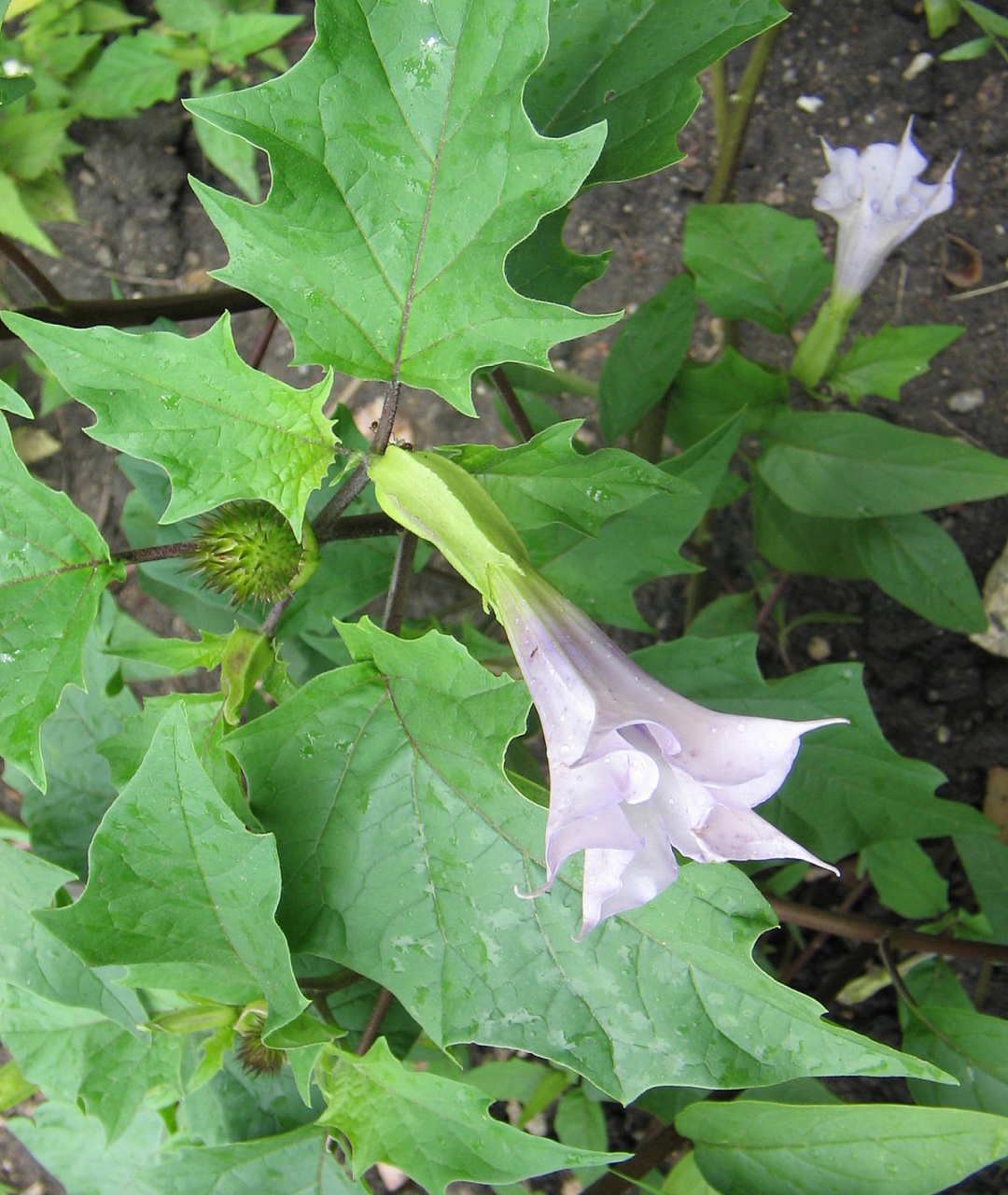
In the world of plants, there exists a delicate yet deadly beauty known as the Datura plant. This stunning flower, with its trumpet-shaped blooms and enticing fragrance, has long been associated with danger and mystery. Commonly referred to as devil’s trumpet or angel’s trumpet, the Datura plant is as alluring as it is lethal.
The Datura plant is native to the Americas and can be found in various regions across the globe. Its striking white or purple flowers are a sight to behold, drawing in unsuspecting passersby with their hypnotic beauty. However, beneath its charming exterior lies a dark secret – every part of the Datura plant is highly toxic.
The dangers of the Datura plant are well-documented, with reports of poisoning and even death resulting from its consumption. Ingesting any part of the plant, whether it be the flowers, leaves, seeds, or roots, can lead to a range of severe symptoms including hallucinations, delirium, paralysis, and even cardiac arrest. The potent toxins found in the Datura plant make it a lethal cocktail for those who dare to taste its forbidden fruit.
Despite its toxic nature, the Datura plant has a long history of use in various cultures for its hallucinogenic properties. In some indigenous societies, the plant was used in religious ceremonies and shamanic rituals to induce trance-like states and visions. However, the risks associated with consuming the Datura plant are significant, leading many to warn against its use as a recreational drug.
The allure of the Datura plant lies in its ability to captivate and seduce those who come into contact with it. Its sweet fragrance and striking appearance make it a popular choice for ornamental gardens and floral arrangements. However, its deadly nature serves as a sobering reminder of the dangers that can lurk beneath the surface of even the most beautiful things.
In literature and folklore, the Datura plant is often portrayed as a symbol of temptation and deception. Its enchanting beauty masks a deadly secret, much like the siren’s song that lures sailors to their demise. The juxtaposition of beauty and danger in the Datura plant serves as a poignant reminder of the complexity of nature and the dualities that exist within it.
Despite its dangers, the Datura plant continues to fascinate and intrigue those who encounter it. Its allure is undeniable, drawing in curious onlookers with its ethereal blooms and intoxicating scent. However, it is essential to approach the Datura plant with caution and respect, as its lethal charms can have dire consequences for those who underestimate its power.
In conclusion, the Datura plant serves as a powerful reminder of the dangerous beauty that exists in the natural world. Its enchanting allure and deadly consequences make it a captivating yet cautionary tale for those who dare to explore its dark depths. The next time you encounter a Datura plant, remember to beware its enchanting charms and approach with caution – for beneath its beauty lies a deadly secret waiting to be revealed.
Unveiling the Lethal Charms of Datura
In the world of plants, there are some that are truly captivating and alluring, but hidden beneath their beauty lies a dangerous secret. One such plant is the Datura, also known as the devil’s trumpet or moonflower. Its enchanting appearance and seductive fragrance have earned it a reputation as a lethal beauty.
The Datura plant belongs to the nightshade family, which includes other poisonous plants such as belladonna and mandrake. Its large, trumpet-shaped flowers come in shades of white, yellow, and purple, adding to its mystique. The plant’s intoxicating scent can easily lure unsuspecting victims closer, but its true danger lies in its potent alkaloids.
One of the most infamous alkaloids found in Datura is scopolamine, also known as hyoscine. This powerful substance acts as a deliriant, causing hallucinations, confusion, and amnesia. Ingesting even a small amount of Datura can lead to a terrifying trip that can last for days, with users experiencing vivid and often disturbing visions.
Aside from its psychedelic effects, Datura is also highly toxic. Ingesting any part of the plant can lead to symptoms such as rapid heartbeat, dry mouth, dilated pupils, and even death in severe cases. The plant’s lethal nature has earned it a dark reputation in folklore and mythology, with tales of witches using it in potions and rituals to induce madness and death.
Despite its dangers, Datura has been used medicinally in certain cultures for its sedative and pain-relieving properties. However, the plant’s unpredictable effects and high toxicity make it a risky choice for any form of self-medication. In fact, cases of Datura poisoning are not uncommon, with individuals mistakenly ingesting the plant or its seeds and suffering severe consequences as a result.
In addition to its toxic properties, Datura has also been used for its mind-altering effects in rituals and ceremonies. In some cultures, the plant is believed to have spiritual significance and is used to induce visions and connect with the spirit world. However, the line between a transcendent experience and a deadly trip is thin when it comes to Datura.
The allure of Datura lies in its potent blend of beauty and danger. Its stunning flowers and intoxicating fragrance draw people in, but its deadly toxins can have devastating consequences. The plant serves as a reminder of the thin line between pleasure and peril, beauty and danger.
In conclusion, the Datura plant may be alluring and enchanting, but its lethal charms should not be underestimated. Its toxic properties and mind-altering effects make it a plant best admired from a distance, rather than being tempted to experience its dangers firsthand. The next time you encounter a Datura plant, remember to appreciate its beauty from afar, and steer clear of its deadly allure.