Jasmine Tree: Nature’s Sweet Symphony
The Jasmine tree, also known as Jasminum, is a plant that symbolizes beauty, grace, and purity. With its delicate white flowers and intoxicating fragrance, the Jasmine tree has been revered for centuries in cultures around the world. This ornamental shrub or vine belongs to the olive family and is native to tropical and warm temperate regions.
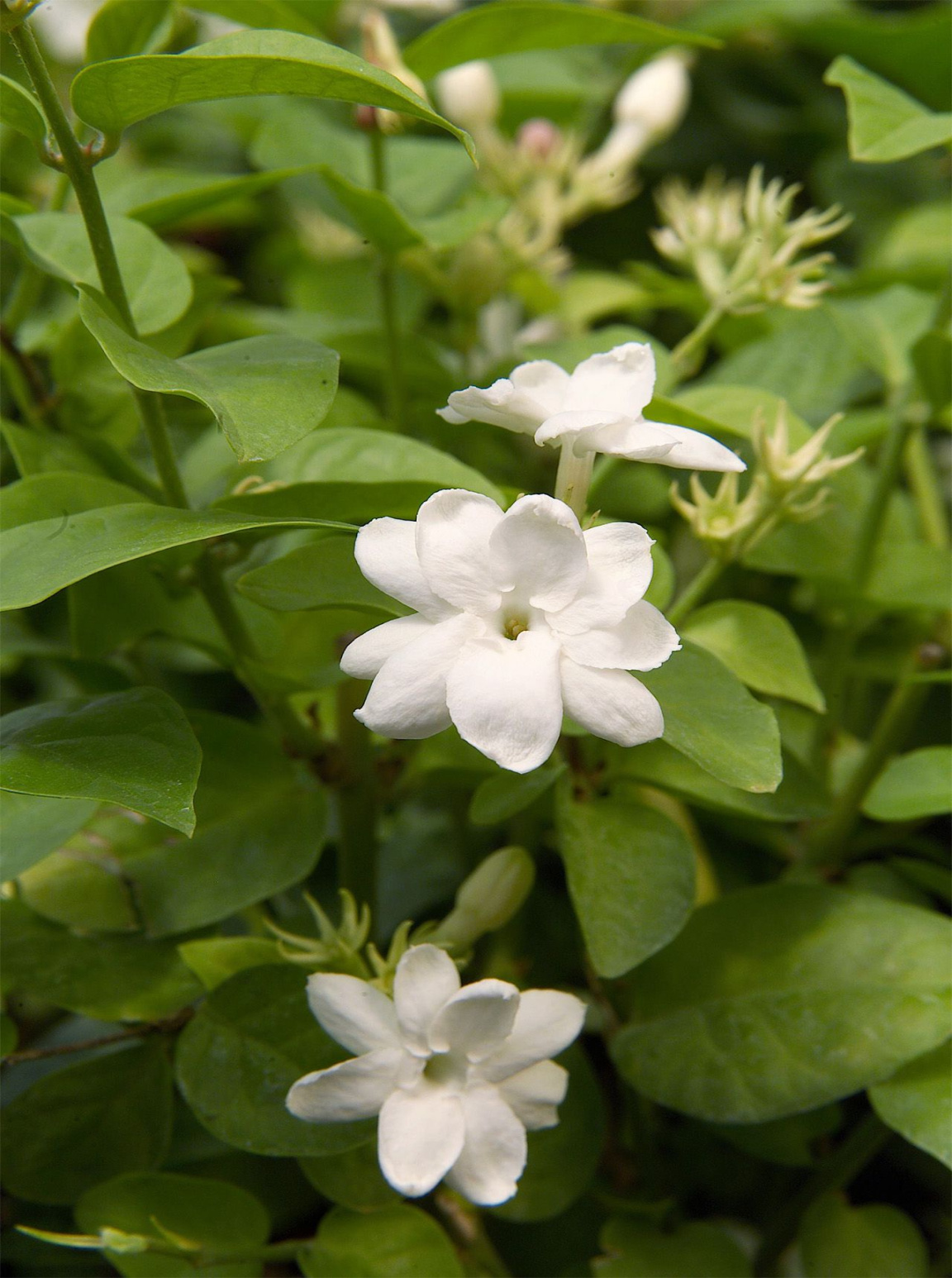
The beauty of the Jasmine tree lies in its elegant, star-shaped flowers that bloom in clusters during the spring and summer months. These flowers are typically white or yellow in color and have a sweet, floral scent that can fill a garden or room with its enchanting aroma. The Jasmine tree is often used in gardens, parks, and landscapes as a decorative plant to add a touch of elegance and charm.
One of the most remarkable characteristics of the Jasmine tree is its ability to produce a symphony of sweet and fragrant flowers that attract bees, butterflies, and other pollinators. The fragrance of the Jasmine tree is so alluring that it has been used in perfumes, lotions, and aromatherapy products for centuries. In many cultures, the Jasmine tree is also associated with love, romance, and sensuality, making it a popular choice for weddings, anniversaries, and other special occasions.
The Jasmine tree is not only prized for its beauty and fragrance but also for its medicinal properties. In traditional medicine, Jasmine flowers and leaves are used to make herbal teas, tinctures, and essential oils that have been shown to have calming, anti-inflammatory, and antioxidant effects. Jasmine tea, in particular, is known for its relaxing and soothing properties, making it a popular choice for those looking to unwind and de-stress after a long day.
Cultivating a Jasmine tree is relatively easy, as it thrives in sunny locations with well-drained soil. Regular watering and occasional pruning are necessary to keep the plant healthy and blooming throughout the growing season. The Jasmine tree can be grown in containers or in the ground, making it a versatile and adaptable plant for gardens of all sizes.
In addition to its beauty and fragrance, the Jasmine tree also has a rich cultural significance in many societies. In India, Jasmine flowers are used in religious ceremonies, weddings, and festivals as offerings to the gods and as decorations for homes and temples. In China, Jasmine tea is a symbol of hospitality and friendship, often served to guests as a gesture of welcome and goodwill.
Overall, the Jasmine tree is a symbol of beauty, grace, and serenity that has captivated people for centuries with its sweet fragrance and delicate flowers. Whether enjoyed in a garden, as a centerpiece in a bouquet, or in a cup of tea, the Jasmine tree continues to enchant and inspire with its natural beauty and aromatic charm. So next time you come across a Jasmine tree, take a moment to appreciate its beauty and fragrance, and let yourself be transported to a world of sweetness and serenity.
Unveiling the Enchanting Aroma of Jasmine
The Jasmine tree, also known as Jasminum, is a plant that has been revered for its beauty and fragrance for centuries. Its delicate white flowers release a sweet and intoxicating scent that can transport you to a realm of tranquility and serenity. In this article, we will delve into the enchanting aroma of the Jasmine tree plant and explore the beauty it brings to our lives.
The Jasmine tree is native to tropical and subtropical regions of Asia, Africa, and Australia. It is a vine or shrub that can grow up to 10 feet tall, with glossy green leaves and clusters of small, star-shaped white flowers. These flowers bloom in the summer months and release a fragrance that is both sweet and floral, with hints of citrus and honey.
The aroma of Jasmine is known for its calming and uplifting properties. In aromatherapy, Jasmine essential oil is often used to reduce stress, anxiety, and depression. Its scent is said to have a soothing effect on the mind and body, promoting relaxation and a sense of well-being. Just a few drops of Jasmine oil in a diffuser can fill a room with its delightful fragrance, creating a peaceful and harmonious atmosphere.
The beauty of the Jasmine tree goes beyond its fragrant flowers. Its elegant foliage and graceful form make it a lovely addition to any garden or landscape. Whether grown as a vine on a trellis or as a shrub in a pot, the Jasmine tree adds a touch of elegance and charm to any outdoor space. Its white flowers stand out against the dark green leaves, creating a striking contrast that is sure to catch the eye of passersby.
In addition to its aesthetic appeal, the Jasmine tree also has a rich cultural significance. In many cultures, Jasmine is associated with love, purity, and spirituality. In India, Jasmine flowers are often used in religious ceremonies and wedding rituals, symbolizing purity and auspiciousness. In China, Jasmine tea is a popular beverage that is enjoyed for its delicate flavor and calming aroma. And in the Middle East, Jasmine is a symbol of beauty and femininity, often worn as a fragrant adornment.
The Jasmine tree is not only a feast for the senses but also a source of inspiration for artists and poets. Its delicate flowers and intoxicating scent have been immortalized in paintings, poems, and songs, capturing the essence of its beauty and fragrance. Artists have long been drawn to the Jasmine tree for its ethereal beauty and romantic allure, using its flowers as a symbol of love, purity, and transcendence.
Whether grown in a garden, enjoyed in a bouquet, or used in aromatherapy, the Jasmine tree plant never fails to captivate us with its beauty and fragrance. Its sweet scent and delicate flowers have a magical quality that enchants the senses and lifts the spirit. So the next time you encounter a Jasmine tree in bloom, take a moment to breathe in its enchanting aroma and bask in the beauty that surrounds you.