Unleash the Charm: Growing Dead Nettle Plants
If you’re looking for a stunning ground cover plant that not only adds beauty to your garden but also requires minimal care, then look no further than the dead nettle. This hardy and beautiful plant is the perfect addition to any garden, adding a touch of charm and elegance to your outdoor space.
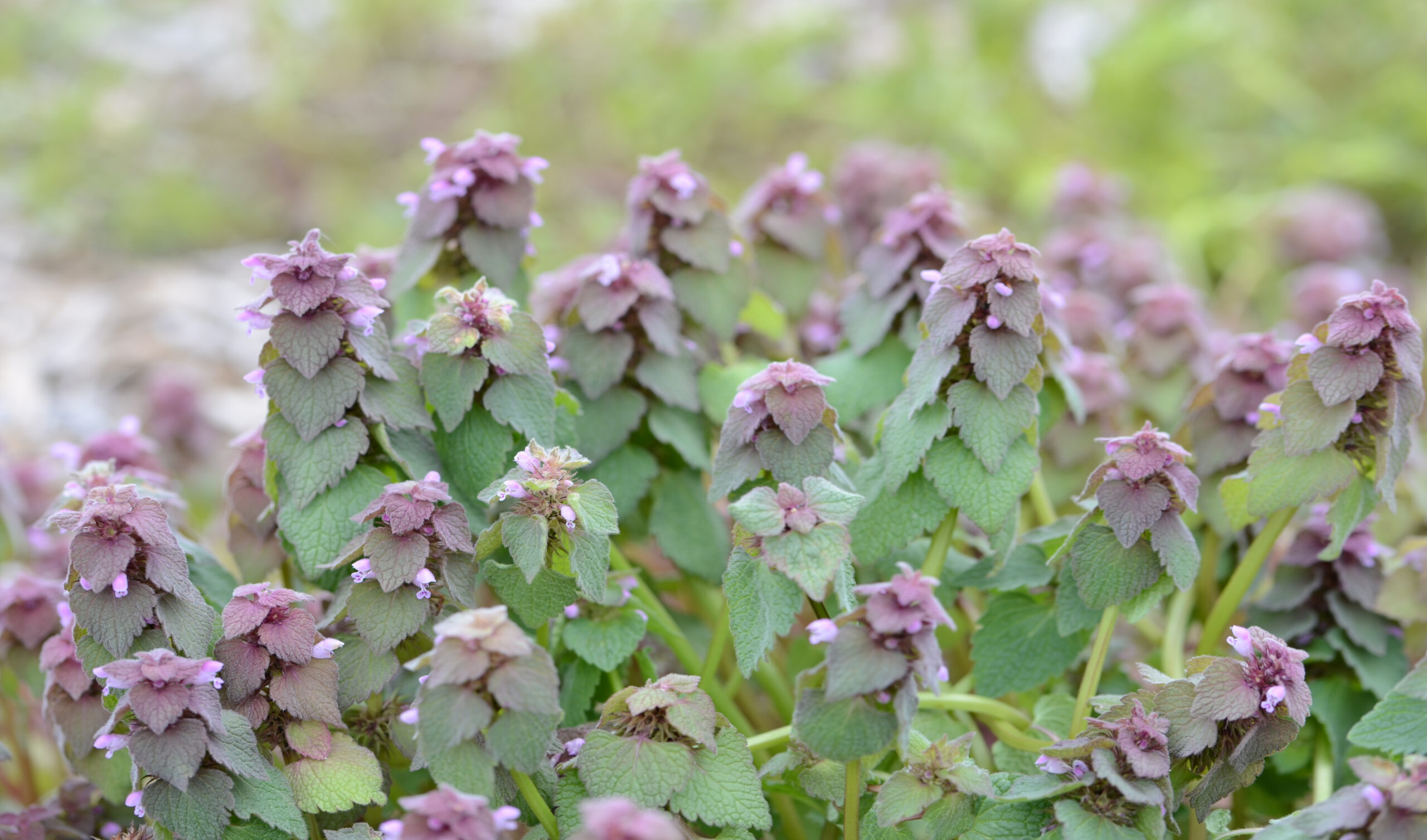
Dead nettles, also known as Lamium, are a versatile plant that come in a variety of colors and sizes, making them a popular choice for gardeners looking to add some visual interest to their landscapes. From the vibrant purple and pink flowers of the Lamium maculatum to the silver and green foliage of the Lamium galeobdolon, there is a dead nettle variety to suit every taste and style.
One of the main reasons why dead nettles are so popular among gardeners is their ease of care. These plants are incredibly low maintenance and can thrive in a variety of environments, making them a great choice for both experienced gardeners and beginners alike. Dead nettles are also known for their ability to spread quickly, making them an excellent ground cover option for areas of the garden that need a little extra greenery.
When it comes to growing dead nettle plants, there are a few key things to keep in mind to ensure that your plants thrive. First and foremost, dead nettles prefer a well-draining soil that is rich in organic matter. Make sure to choose a planting location that receives partial shade, as dead nettles prefer to be sheltered from the harsh midday sun.
When planting your dead nettle, be sure to space them out evenly to allow for proper air circulation and prevent overcrowding. Dead nettles can be planted either from seeds or transplants, depending on your preference. If planting from seeds, be sure to sow them in the spring after the last frost has passed.
Once your dead nettles are established, it’s important to provide them with regular water to keep the soil moist but not waterlogged. Dead nettles are relatively drought-tolerant once established, but they will benefit from a deep watering during dry spells. Fertilize your dead nettles every spring with a balanced fertilizer to promote healthy growth and vibrant flowers.
One of the best things about dead nettles is their ability to attract pollinators to your garden. Bees, butterflies, and other beneficial insects are drawn to the vibrant flowers of the dead nettle, making them a great addition to any pollinator garden. Not only do dead nettles provide food for pollinators, but they also help to create a healthy ecosystem in your garden.
In addition to their beauty and ease of care, dead nettles are also known for their versatility in the garden. These plants can be used as a ground cover in shady areas, as a border plant along pathways, or even in containers on a patio or balcony. No matter how you choose to incorporate dead nettles into your garden, they are sure to bring a touch of charm and elegance to your outdoor space.
In conclusion, growing dead nettle plants is a great way to add beauty and charm to your garden with minimal effort. These hardy and beautiful plants are easy to care for, attract pollinators, and can be used in a variety of ways throughout your outdoor space. Whether you’re a seasoned gardener or a beginner, dead nettles are a fantastic choice for anyone looking to enhance their garden with a stunning ground cover plant.
A Blooming Beauty: Caring Tips for Dead Nettles
When it comes to adding a touch of beauty and charm to your garden, the Dead Nettle plant is a perfect choice. This stunning ground cover not only adds color and texture to your outdoor space, but it also requires minimal care and maintenance to thrive. In this guide, we will explore some essential caring tips for growing and nurturing your Dead Nettle plant.
First and foremost, it’s important to understand the ideal growing conditions for Dead Nettles. These plants thrive in partial to full shade, making them an excellent choice for shady areas of your garden where other plants may struggle. They also prefer well-draining soil that is rich in organic matter. When planting your Dead Nettles, be sure to space them out properly to allow for adequate air circulation and prevent overcrowding.
One of the key factors in caring for Dead Nettles is to ensure they receive enough water. While these plants are drought-tolerant once established, they still require regular watering, especially during hot, dry periods. Be sure to water at the base of the plant to avoid wetting the foliage, which can lead to fungal diseases. Mulching around the base of the plant can help retain moisture and regulate soil temperature.
Dead Nettles are relatively low-maintenance plants, but they will benefit from occasional feeding to promote healthy growth and blooming. A balanced fertilizer applied in early spring and again in mid-summer can help keep your Dead Nettles looking their best. Avoid over-fertilizing, as this can lead to leggy growth and reduced flowering.
Pruning Dead Nettles is not necessary for their health, but it can help maintain a tidy appearance and encourage new growth. Deadheading spent flowers can also prolong the blooming period and prevent the plants from self-seeding. Simply trim back any dead or leggy growth as needed to keep your Dead Nettles looking lush and vibrant.
One of the most appealing features of Dead Nettles is their ability to attract beneficial pollinators to your garden. Bees, butterflies, and other insects are drawn to the nectar-rich flowers, making Dead Nettles a valuable addition to any pollinator-friendly garden. By providing a habitat for these important creatures, you can help support biodiversity and promote a healthy ecosystem in your backyard.
In addition to their aesthetic appeal and pollinator-attracting qualities, Dead Nettles also have practical benefits in the garden. These plants are excellent ground covers, spreading quickly to fill in bare areas and suppress weeds. Their dense foliage helps retain soil moisture and prevent erosion, making them a valuable addition to erosion-prone slopes or rocky terrain.
Overall, caring for Dead Nettles is a rewarding and enjoyable experience. With their beautiful blooms, easy maintenance, and environmental benefits, these plants are a fantastic choice for gardeners of all skill levels. By following these caring tips and giving your Dead Nettles the love and attention they deserve, you can enjoy a lush and vibrant garden filled with the charm and beauty of these stunning ground covers.