Planting Perfection: The Art of Growing Petunia Seeds
Petunias are one of the most popular flowers for home gardens, thanks to their vibrant colors and easy-to-grow nature. With a little bit of care and attention, you can enjoy a beautiful display of petunias in your own backyard. In this article, we will explore the art of growing petunia seeds to perfection, so you can enjoy stunning flowers all season long.
To begin the journey of growing petunias, you will need to start with high-quality seeds. Look for reputable seed suppliers that offer a wide variety of petunia seeds in different colors and sizes. Once you have your seeds in hand, it’s time to prepare for planting.
Petunia seeds are tiny, so it’s important to handle them with care. Prepare a seed starting mix in a tray or small pots, and sprinkle the seeds evenly on top. Gently press the seeds into the soil, but be careful not to bury them too deep. Petunia seeds need light to germinate, so it’s best to keep them on the surface of the soil.
After planting the seeds, water them gently to ensure the soil is moist but not waterlogged. Place the tray or pots in a warm, sunny location, and cover them with a clear plastic dome or plastic wrap to create a mini greenhouse effect. This will help to retain moisture and warmth, promoting germination.
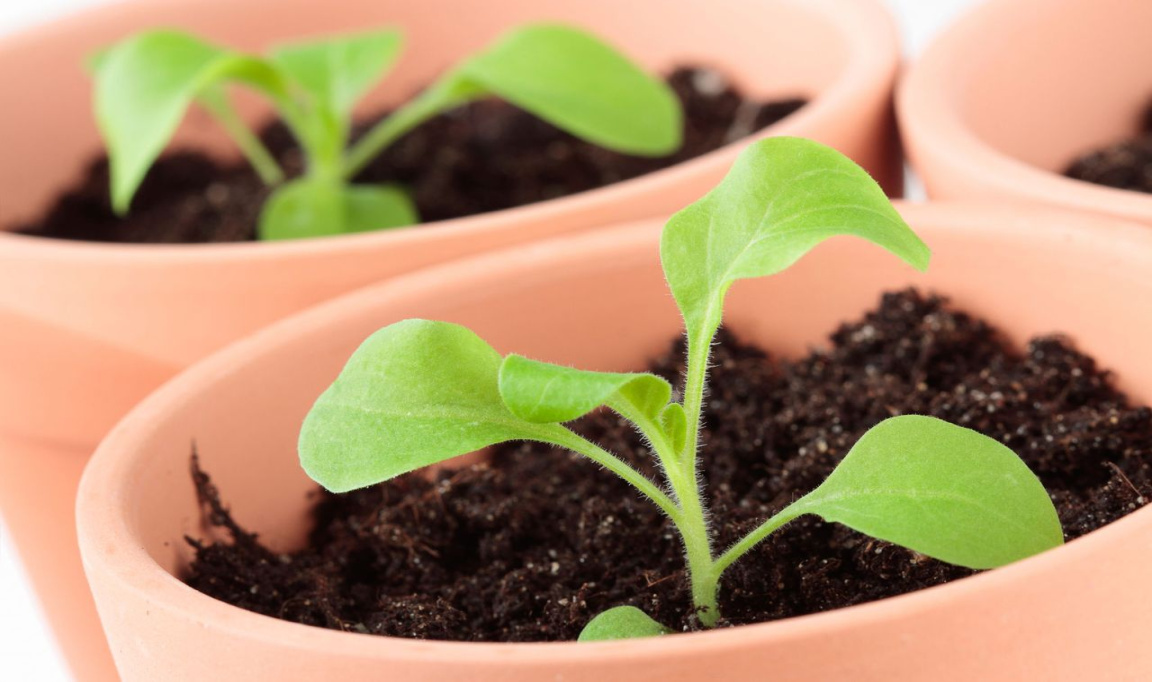
In about 7-10 days, you should start to see tiny seedlings emerging from the soil. At this point, you can remove the plastic cover and continue to water the seedlings regularly. Make sure to keep the soil moist, but not soggy, as petunias prefer well-drained soil.
As the seedlings grow, it’s important to provide them with plenty of light. Place them in a sunny window or under grow lights for at least 12-14 hours a day. This will help them develop strong stems and vibrant foliage, setting the stage for beautiful flowers later on.
Once the seedlings have grown a few sets of true leaves, it’s time to transplant them into larger pots or into the garden. Choose a sunny spot with well-drained soil, and space the plants about 6-12 inches apart to allow for proper air circulation.
When transplanting petunias, be sure to handle the delicate seedlings with care to avoid damaging their roots. Gently loosen the root ball and place the seedling in its new home, covering the roots with soil and patting it down gently. Water the newly transplanted seedlings thoroughly to help them establish in their new environment.
Throughout the growing season, it’s important to provide your petunias with regular water and fertilizer to keep them healthy and blooming. Water the plants deeply, but allow the soil to dry out slightly between waterings to prevent root rot. Fertilize the plants every 2-3 weeks with a balanced fertilizer to promote strong growth and abundant blooms.
With proper care and attention, your petunia seeds will grow into stunning flowers that will brighten up your garden all season long. Whether you choose cascading varieties for hanging baskets or compact varieties for borders and containers, petunias are sure to be a showstopper in any garden. So roll up your sleeves, get your gardening gloves on, and let the art of growing petunia seeds bring blooming beauties to your outdoor space.
A Blossoming Beauty: Tips for Stunning Petunia Flowers
Petunias are a popular choice for gardeners looking to add a burst of color to their outdoor spaces. These vibrant and versatile flowers come in a wide range of colors, shapes, and sizes, making them perfect for adding a touch of beauty to any garden or landscape. If you’re looking to grow petunias from seeds and create a stunning display of flowers in your own backyard, here are some tips to help you along the way.
Choose the Right Seeds: When selecting petunia seeds, it’s important to choose varieties that are well-suited to your climate and growing conditions. Look for seeds that are labeled as suitable for your region and that will thrive in the amount of sunlight and water available in your garden. You can find a wide variety of petunia seeds at your local garden center or online, so take the time to research different varieties and choose the ones that best fit your needs.
Prepare the Soil: Before planting your petunia seeds, it’s important to prepare the soil to ensure that your flowers will have the nutrients they need to thrive. Start by clearing the area where you plan to plant your seeds of any weeds or debris. Then, work in some compost or fertilizer to enrich the soil and improve its texture. Petunias prefer well-draining soil, so be sure to choose a spot in your garden that offers good drainage to prevent waterlogged roots.
Planting the Seeds: Once you’ve prepared the soil, it’s time to plant your petunia seeds. Scatter the seeds lightly over the soil, then cover them with a thin layer of soil or vermiculite. Water the seeds gently to settle them into the soil, then place them in a sunny spot where they will receive at least 6-8 hours of sunlight each day. Keep the soil consistently moist but not waterlogged, as petunias prefer well-drained soil.
Caring for Your Petunias: As your petunias begin to grow, it’s important to provide them with the care they need to thrive and produce stunning flowers. Keep an eye on the moisture levels in the soil, watering your plants regularly to keep the soil consistently moist. Feed your petunias with a balanced fertilizer every few weeks to provide them with the nutrients they need to grow strong and healthy. Deadhead your flowers regularly to encourage new growth and prolong the blooming period.
Protecting Your Petunias: While petunias are generally hardy plants, they can be susceptible to pests and diseases that can damage or kill your flowers. Keep an eye out for common pests like aphids, spider mites, and caterpillars, and take steps to protect your flowers from these invaders. You can use natural remedies like neem oil or insecticidal soap to control pests, or introduce beneficial insects like ladybugs to help keep your garden pest-free.
Creating a Stunning Display: With the right care and attention, your petunias will soon begin to bloom, creating a stunning display of colorful flowers in your garden. To create a truly breathtaking display, consider planting your petunias in containers or hanging baskets, where they can cascade over the edges and create a dramatic effect. Mix and match different colors and varieties of petunias to create a vibrant and eye-catching display that will be the envy of your neighbors.
In conclusion, growing petunias from seeds can be a rewarding and enjoyable experience that allows you to create a stunning display of flowers in your own backyard. By following these tips and providing your petunias with the care and attention they need, you can enjoy a beautiful and colorful garden that will brighten up your outdoor space all season long. So roll up your sleeves, dig in the dirt, and get ready to watch your petunias bloom and flourish!