Unleash Your Inner Green Thumb with Fiddle Fig Trees!
Are you ready to embark on a journey to become a master plant parent? Look no further than the beautiful and elegant Fiddle Fig Tree! These stunning plants add a touch of sophistication to any room and can truly elevate your indoor garden game.
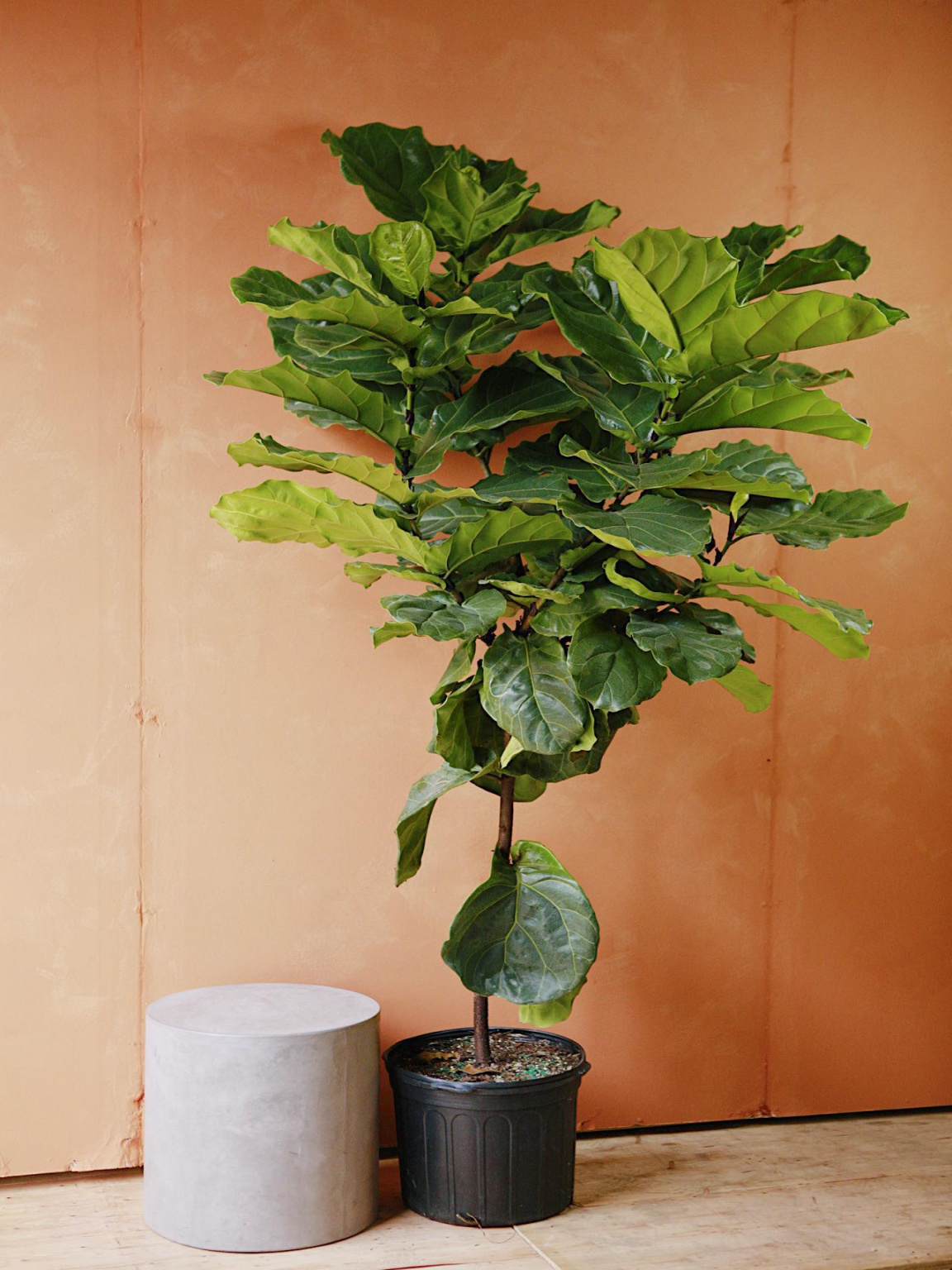
Fiddle Fig Trees, also known as Ficus lyrata, are native to western Africa and are beloved for their large, violin-shaped leaves. They are relatively easy to care for, making them a perfect choice for both beginner and experienced plant enthusiasts. With the right knowledge and a little bit of TLC, you can unleash your inner green thumb and watch your Fiddle Fig Tree thrive.
To start your journey to becoming a Fiddle Fig Tree expert, you’ll need to consider a few key factors. First and foremost, these plants thrive in bright, indirect light. Place your Fiddle Fig Tree near a window where it can soak up plenty of sunlight without being exposed to direct rays. If your plant starts to develop brown spots on its leaves, it may be getting too much sunlight, so be sure to adjust accordingly.
Next, it’s important to keep your Fiddle Fig Tree in a warm and humid environment. These tropical plants prefer temperatures between 60-75 degrees Fahrenheit and thrive in high humidity levels. To create the perfect living conditions for your Fiddle Fig Tree, you can mist its leaves regularly or place a humidifier nearby.
When it comes to watering your Fiddle Fig Tree, less is more. Overwatering can lead to root rot, so it’s best to let the top few inches of soil dry out between waterings. On average, you’ll want to water your Fiddle Fig Tree every 1-2 weeks during the growing season and reduce watering in the winter months when the plant is dormant.
In terms of soil, Fiddle Fig Trees prefer a well-draining potting mix that is rich in nutrients. You can also add perlite or sand to the soil to improve drainage and prevent waterlogged roots. It’s a good idea to repot your Fiddle Fig Tree every 1-2 years to refresh the soil and give the roots room to grow.
One of the most important aspects of caring for your Fiddle Fig Tree is regular pruning and grooming. As your plant grows, you may notice that it starts to develop leggy branches or yellowing leaves. Pruning is a great way to encourage new growth and maintain the overall shape of your Fiddle Fig Tree. Simply use clean, sharp scissors to trim any unwanted branches or leaves, being careful not to remove too much at once.
In addition to regular pruning, it’s a good idea to dust your Fiddle Fig Tree’s leaves every now and then to keep them clean and free from pests. You can use a damp cloth or sponge to gently wipe down the leaves and remove any dust or debris. This will not only improve the appearance of your plant but also help it photosynthesize more effectively.
With a little bit of time and effort, you can unleash your inner green thumb and become a Fiddle Fig Tree pro in no time. By following these tips and tricks for growing and caring for your plant, you’ll be able to enjoy the beauty of your Fiddle Fig Tree for years to come. So go ahead, embrace your plant parenting skills and watch your Fiddle Fig Tree flourish!
Tips and Tricks for Nurturing Your Fiddle Fig Tree to Perfection
So you’ve decided to bring a Fiddle Fig Tree into your home – congratulations! These beautiful plants are not only aesthetically pleasing, but they also have the ability to liven up any space with their lush green leaves. However, caring for a Fiddle Fig Tree can be a bit tricky if you’re not familiar with the specific needs of this plant. But fear not, with the right tips and tricks, you’ll be able to nurture your Fiddle Fig Tree to perfection.
First and foremost, it’s important to consider the location of your Fiddle Fig Tree. These plants thrive in bright, indirect light, so be sure to place them near a window where they can receive plenty of sunlight without being exposed to direct rays. If your Fiddle Fig Tree is not getting enough light, you may notice its leaves turning yellow and dropping off – a sure sign that it needs more sun.
In terms of watering, Fiddle Fig Trees prefer to be kept consistently moist but not soggy. Water your plant when the top inch of soil feels dry to the touch, and be sure to drain any excess water from the bottom of the pot to prevent root rot. During the winter months, you can reduce the frequency of watering as the plant goes into dormancy.
Another important aspect of caring for your Fiddle Fig Tree is humidity. These plants are native to tropical regions and thrive in humid environments. To mimic their natural habitat, consider placing a humidifier near your plant or misting its leaves regularly to keep them hydrated and healthy.
Fertilizing your Fiddle Fig Tree is also crucial for its growth and overall health. During the growing season, which typically occurs in the spring and summer, you can feed your plant with a balanced liquid fertilizer once a month. Be sure to dilute the fertilizer to half strength to avoid burning the roots.
Pruning your Fiddle Fig Tree is another important task to keep it looking its best. Trim any dead or yellowing leaves to encourage new growth, and prune back any leggy branches to promote a fuller, bushier plant. You can also remove any dust or debris from the leaves with a damp cloth to help the plant photosynthesize more efficiently.
Lastly, be mindful of pests that may try to invade your Fiddle Fig Tree. Common pests include spider mites, mealybugs, and scale insects, which can damage the leaves and stems of your plant. To prevent infestations, regularly inspect your plant for any signs of pests and treat them accordingly with insecticidal soap or neem oil.
By following these tips and tricks for nurturing your Fiddle Fig Tree, you’ll be well on your way to growing a healthy and vibrant plant that will bring joy and beauty to your home for years to come. Remember, a little love and care go a long way when it comes to tending to your Fiddle Fig Tree – happy growing!