Buttonbush: A Burst of Beauty in Your Garden
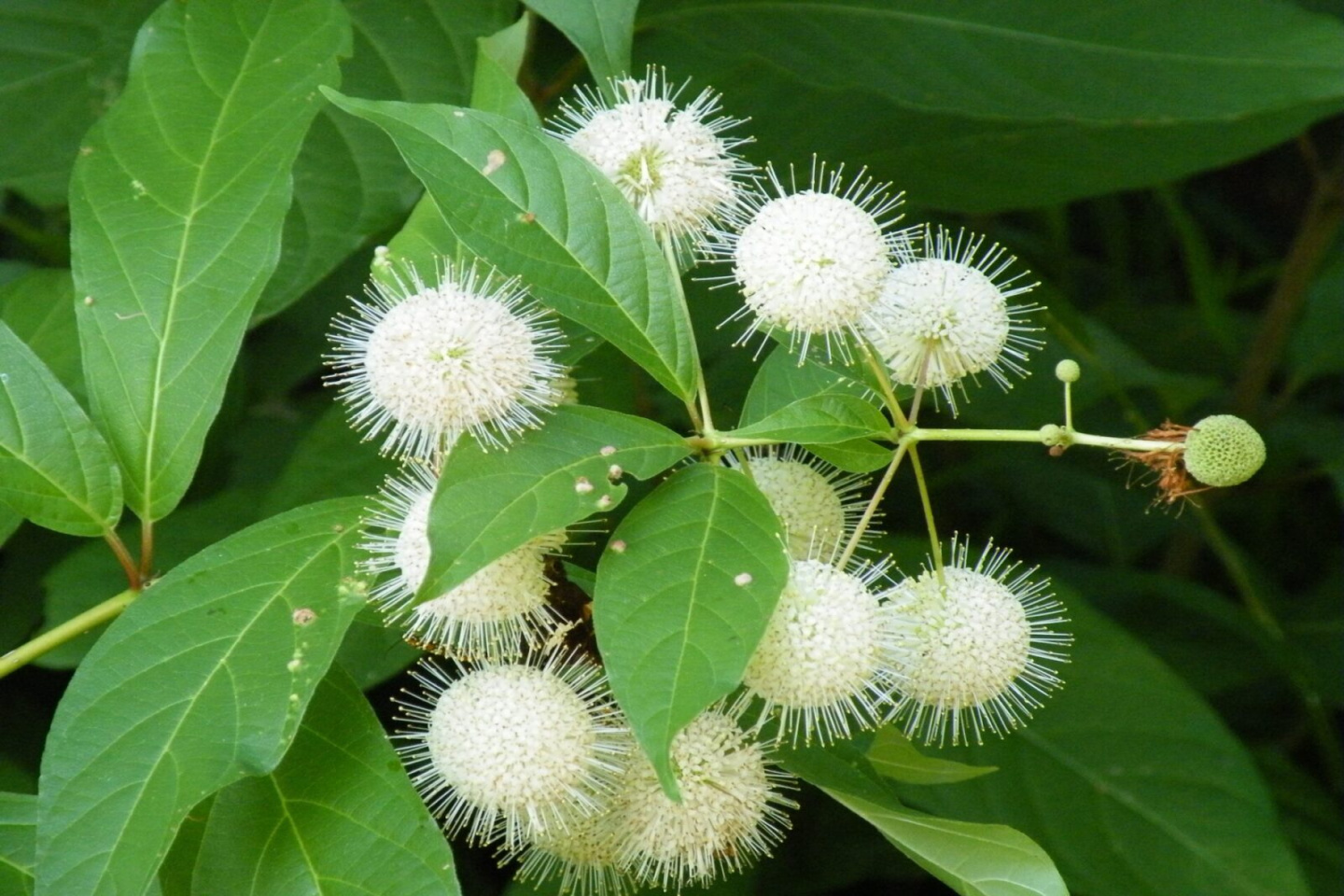
In the world of gardening, there are few plants that can match the sheer beauty and charm of the buttonbush. This unique and eye-catching plant, known scientifically as Cephalanthus occidentalis, is a true gem in any garden setting. With its distinctive spherical white flowers and glossy green leaves, the buttonbush is a stand-out addition to any landscape.
The buttonbush is native to North America and can be found growing along the edges of ponds, streams, and wetlands. It thrives in moist, well-drained soils and is a favorite among gardeners for its tolerance to a variety of growing conditions. Whether planted in full sun or partial shade, the buttonbush will reward you with its stunning blooms and attractive foliage.
One of the most striking features of the buttonbush is its unique flowers. The spherical clusters of tiny white blooms resemble little buttons, hence the plant’s name. These flowers are not only beautiful to look at but also attract a wide variety of pollinators, such as bees, butterflies, and hummingbirds. Watching these creatures flit and flutter around the buttonbush is a delight for any nature lover.
In addition to its stunning flowers, the buttonbush also boasts attractive foliage. The glossy green leaves are oval-shaped and grow in opposite pairs along the stems, creating a dense and lush appearance. The foliage provides a lovely backdrop for the white flowers, adding to the overall beauty of the plant.
Another reason to love the buttonbush is its versatility in the garden. This plant works well in a variety of settings, from formal garden beds to more naturalized areas. It can be used as a focal point in a mixed border or as a backdrop for other flowering plants. The buttonbush also pairs well with a wide range of companion plants, such as coneflowers, black-eyed Susans, and asters, creating a harmonious and beautiful garden display.
In addition to its aesthetic appeal, the buttonbush also offers environmental benefits. As a native plant, it provides important habitat and food sources for wildlife. The flowers attract pollinators, while the seeds are a favorite food source for birds. The buttonbush also helps to stabilize soil along waterways and prevent erosion, making it a valuable addition to any landscape.
Caring for a buttonbush is relatively easy, making it a low-maintenance plant for the busy gardener. It prefers consistently moist soil, especially during the hot summer months, but is tolerant of occasional periods of drought. Pruning is optional but can help to maintain a neat and tidy appearance. Overall, the buttonbush is a hardy and reliable plant that will reward you with its beauty year after year.
In conclusion, the buttonbush is a burst of beauty in any garden setting. Its unique flowers, attractive foliage, and versatility make it a standout addition to any landscape. Whether you plant it as a focal point or as part of a larger garden scheme, the buttonbush is sure to bring joy and delight to your outdoor space. So why not add this charming plant to your garden and watch it bloom and thrive?
Discover the Delightful Charms of the Buttonbush
In the world of flora and fauna, there are few plants as enchanting and captivating as the Buttonbush. This beautiful shrub, also known by its scientific name Cephalanthus occidentalis, is a true gem in any garden or natural habitat. With its unique appearance and plethora of benefits, the Buttonbush is a must-have for any lover of blooming beauty.
The Buttonbush is characterized by its round, button-like flower clusters, which give the plant its name. These charming clusters, which can range in color from creamy white to pale pink, are a favorite among pollinators such as bees, butterflies, and hummingbirds. Watching these creatures flit and flutter around the Buttonbush is a delight for any nature lover, adding an extra layer of beauty to your outdoor space.
But the charms of the Buttonbush go beyond its aesthetic appeal. This versatile plant is also a valuable addition to any garden due to its many benefits. One of its most notable features is its ability to thrive in wet or soggy conditions, making it perfect for planting near ponds, streams, or other water features. Its roots help to stabilize the soil and prevent erosion, making it a great choice for landscaping projects near bodies of water.
In addition to its environmental benefits, the Buttonbush also has a long history of medicinal use. Native American tribes used various parts of the plant to treat a variety of ailments, including fevers, headaches, and stomach issues. While modern medicine has largely moved away from traditional herbal remedies, the Buttonbush still holds a special place in the hearts of those who appreciate the healing power of nature.
But perhaps the most charming aspect of the Buttonbush is its ability to attract wildlife. In addition to pollinators, the plant is a favorite among birds who use its branches for nesting and shelter. Squirrels and other small mammals also enjoy snacking on the seeds and fruits that the Buttonbush produces. By planting this beautiful shrub in your garden, you can create a welcoming habitat for all sorts of creatures, adding an extra layer of magic to your outdoor space.
The Buttonbush is not just a plant – it’s a living work of art, a masterpiece of nature that brings joy and beauty to any garden. Its delicate flowers, vibrant green leaves, and unique growth habits make it a standout feature in any landscape, whether planted alone or as part of a larger design scheme. No matter how you choose to incorporate the Buttonbush into your outdoor space, one thing is certain: it will bring a touch of blooming beauty to your world.
So, if you’re looking to add a touch of magic to your garden, look no further than the Buttonbush. With its charming flowers, versatile growth habits, and myriad benefits, this delightful plant is sure to bring a smile to your face and a burst of beauty to your outdoor space. Plant a Buttonbush today and watch as your garden blooms with life and color, thanks to the delightful charms of this enchanting shrub.