Growing Ruda: A Vibrant Herb for Your Garden
The resilient Ruda plant, also known as Rue, is a vibrant herb that has been prized for centuries for its medicinal properties and ornamental value. Native to the Mediterranean region, Ruda is a hardy plant that can thrive in a variety of growing conditions, making it a perfect addition to any garden.
Cultivating Ruda in your garden is not only a great way to add beauty and fragrance to your outdoor space, but it also allows you to harness the many health benefits this powerful herb has to offer. From treating digestive issues to repelling insects, Ruda is a versatile herb that every home gardener should consider growing.
When it comes to growing Ruda, there are a few key things to keep in mind to ensure your plant thrives. Ruda prefers well-draining soil and plenty of sunlight, so be sure to plant it in a location that receives at least 6-8 hours of sunlight per day. Additionally, Ruda is a drought-tolerant plant, so be sure not to overwater it. Allow the soil to dry out between waterings to prevent root rot.
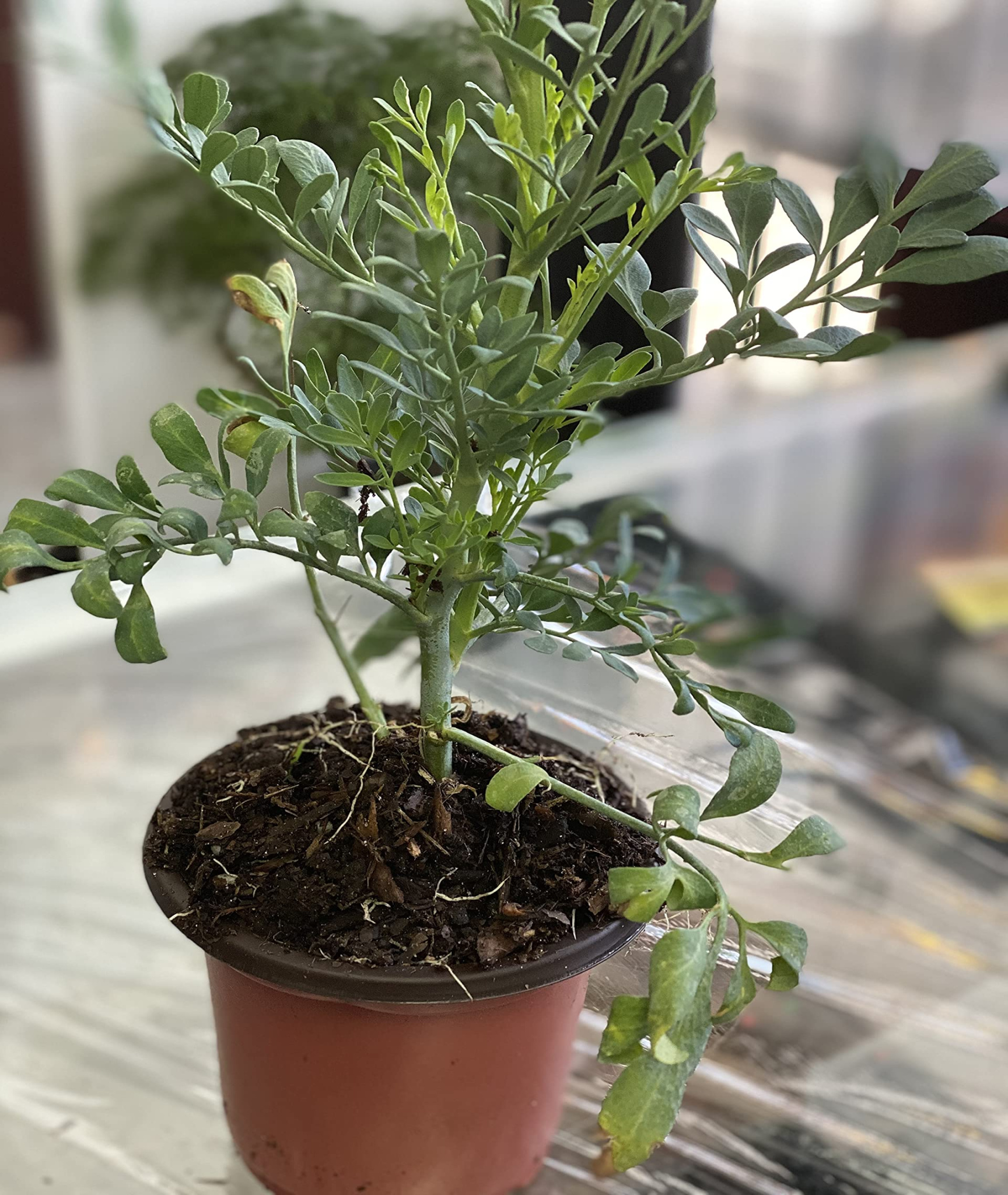
One of the unique features of Ruda is its striking blue-green foliage, which adds a pop of color to any garden. The delicate leaves are deeply lobed and emit a strong, citrusy scent when crushed. This fragrance not only adds to the overall appeal of the plant but also serves as a natural insect repellent, making Ruda an excellent companion plant for your vegetable garden.
In addition to its ornamental value, Ruda is also renowned for its medicinal properties. The leaves and stems of the plant contain powerful compounds that have been used for centuries to treat a variety of ailments. Ruda is commonly used to aid digestion, relieve muscle pain, and even promote menstrual regularity.
To harvest Ruda for its medicinal properties, simply snip off a few stems and leaves as needed. The fresh leaves can be used to make a fragrant tea or infused into oils for topical use. Ruda can also be dried and stored for later use in tinctures or salves.
When harvesting Ruda, it’s important to handle the plant with care, as the sap can cause skin irritation in some individuals. Wear gloves when handling Ruda and be sure to wash your hands thoroughly after working with the plant.
Overall, growing Ruda in your garden is a rewarding experience that allows you to connect with nature and harness the many benefits of this resilient herb. Whether you’re looking to add a pop of color to your garden or incorporate more natural remedies into your wellness routine, Ruda is a versatile plant that is sure to delight both your senses and your health.
Harnessing the Power of Ruda: Medicinal Uses and Benefits
Ruda, also known as Rue or the herb of grace, is a powerful and versatile plant that has been used for centuries for its medicinal properties. From ancient times to the present day, this herb has been revered for its ability to treat a variety of ailments and promote overall well-being. In this guide, we will explore the many medicinal uses and benefits of the resilient Ruda plant, as well as how to cultivate and use it in your own home.
One of the most well-known medicinal uses of Ruda is its ability to aid in digestion. The herb has been traditionally used to relieve stomach pains, indigestion, and bloating. It is also known to stimulate the appetite and improve overall digestion. Ruda can be consumed in tea form or added to dishes as a flavoring agent to promote healthy digestion.
In addition to its digestive benefits, Ruda is also known for its anti-inflammatory properties. The herb contains compounds that help reduce inflammation in the body, making it an effective remedy for conditions such as arthritis, gout, and muscle pain. Ruda can be applied topically as a poultice or added to a warm bath to help relieve sore muscles and joint pain.
Ruda is also a natural diuretic, meaning it can help the body eliminate excess fluids and toxins. This makes it a valuable herb for treating conditions such as edema, urinary tract infections, and kidney stones. By promoting the flow of urine, Ruda helps cleanse the body and improve overall urinary health.
Another important benefit of Ruda is its ability to boost the immune system. The herb is rich in antioxidants and vitamins that help strengthen the body’s natural defenses against illness and infection. By incorporating Ruda into your daily routine, you can help protect yourself from colds, flu, and other common illnesses.
Ruda is also known for its calming and sedative effects, making it a valuable herb for promoting relaxation and reducing stress. The herb can help relieve anxiety, tension, and insomnia, allowing for a more restful night’s sleep. Ruda can be consumed in tea form or added to a relaxing bath to promote a sense of calm and well-being.
In addition to its medicinal uses, Ruda is also a versatile herb that can be used in a variety of culinary dishes. The herb has a pungent, slightly bitter flavor that adds depth and complexity to dishes. Ruda can be used to season meats, sauces, and soups, or added to salads and vegetables for a unique twist.
When cultivating Ruda in your garden, it is important to remember that the plant prefers well-draining soil and plenty of sunlight. Ruda can be grown from seeds or cuttings and thrives in warm, dry climates. The plant is relatively low-maintenance and can be harvested throughout the growing season for use in culinary and medicinal applications.
In conclusion, Ruda is a resilient and versatile herb that offers a wide range of medicinal uses and benefits. From aiding in digestion to boosting the immune system, this herb has been treasured for its healing properties for centuries. By cultivating and using Ruda in your own home, you can harness the power of this medicinal herb and promote health and well-being in your daily life.